Yoga and Meditation in Santiago: Evidence-Based Tips That Actually Work for Local Conditions
From altitude adaptation to heat management, here's how to build a sustainable mindfulness practice suited to life in the capital.
From altitude adaptation to heat management, here's how to build a sustainable mindfulness practice suited to life in the capital.
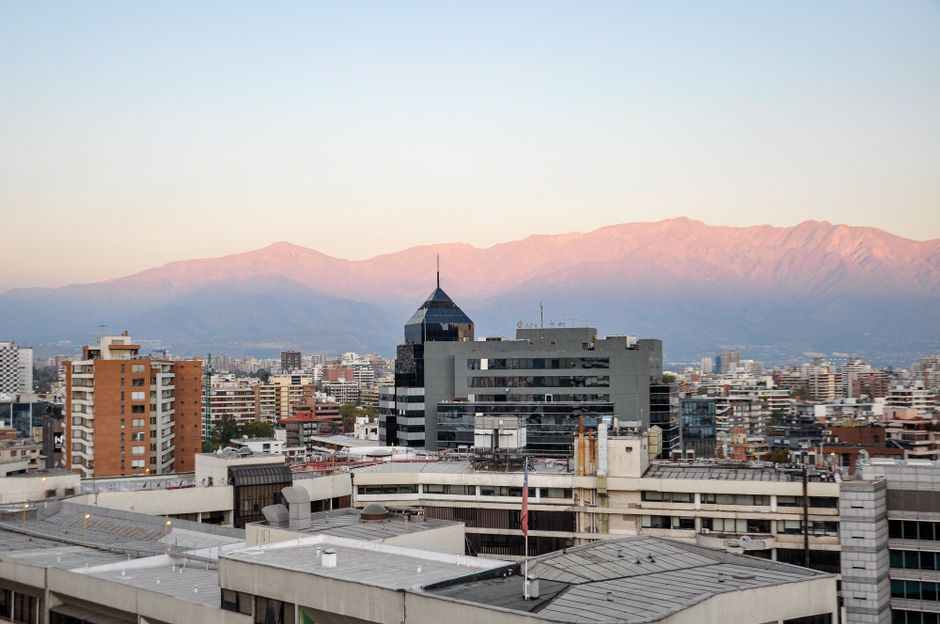
Santiago's unique geography—nestled 570 metres above sea level with summer temperatures regularly exceeding 30°C—creates specific challenges for anyone establishing a yoga and meditation routine. Rather than importing generic wellness advice, local practitioners and researchers increasingly recognise that evidence-based adjustments matter.
Start with altitude awareness. While Santiago sits lower than many Andean cities, newcomers and those returning from the coast may experience mild hypoxia during the first week of practice. Breathwork instructors at studios around Lastarria and Ñuñoa recommend extending your pranayama (breathing) cycles by 20-30% initially, allowing your body to acclimatise gradually. Research from the Universidad de Chile's sports medicine faculty suggests that slower, deeper breathing patterns—rather than rapid-fire techniques—help your body regulate oxygen uptake more efficiently at this elevation.
Heat and humidity demand practical studio selection. December through February temperatures in enclosed spaces can spike rapidly, particularly in studios without climate control. Evidence supports practising in naturally ventilated spaces or studios with proper air circulation during summer months; the Parque Forestal area offers several outdoor options that leverage cooler morning hours. Starting your practice before 8 a.m. or after 6 p.m. aligns both with research on cortisol rhythms and Santiago's climate reality.
Consistency trumps intensity in this climate. A 2024 study from the Clínica Universidad Católica found that practitioners maintaining 3-4 moderate sessions weekly showed greater mental health improvements than those attempting intense daily practice in summer heat. This matters: burnout from overly ambitious routines in poor conditions undermines long-term benefit.
Meditation positioning requires local customisation too. Traditional cross-legged postures can be uncomfortable during humidity spikes; research supports using cushions (zafu) to elevate hips, reducing strain on knees and lower back—a particularly relevant consideration given Santiago's ageing wellness demographic. Organisations like the Sociedad Chilena de Yoga provide guidance on ergonomic adjustments.
Finally, integrate local resources meaningfully. The produce-rich Santa Isabel and Vega Central markets offer seasonal fruits and vegetables that support nutritional foundations for practice. Combining morning meditation in Cerro San Cristobal with movement practice creates sensory grounding absent from purely studio-based routines.
The evidence is clear: sustainability matters more than perfection. Adjust for Santiago's altitude, heat, and pace, and you'll build practices that last beyond January enthusiasm.
This article was compiled by AI and screened before publishing. See our editorial standards.
How does this story make you feel?
Spread the word
About this article
Published by The Daily Santiago
Daily brief
Free, in your inbox before 7am. Weekdays.
More in Wellness