Santiago's Outdoor Fitness Trails Transform City Wellness Culture
From Parque Forestal's tree-lined paths to Cerro San Cristóbal's elevation challenges, Santiago runners are ditching treadmills for fresh air—and the city is responding.
From Parque Forestal's tree-lined paths to Cerro San Cristóbal's elevation challenges, Santiago runners are ditching treadmills for fresh air—and the city is responding.
Listen to this article · 3:51
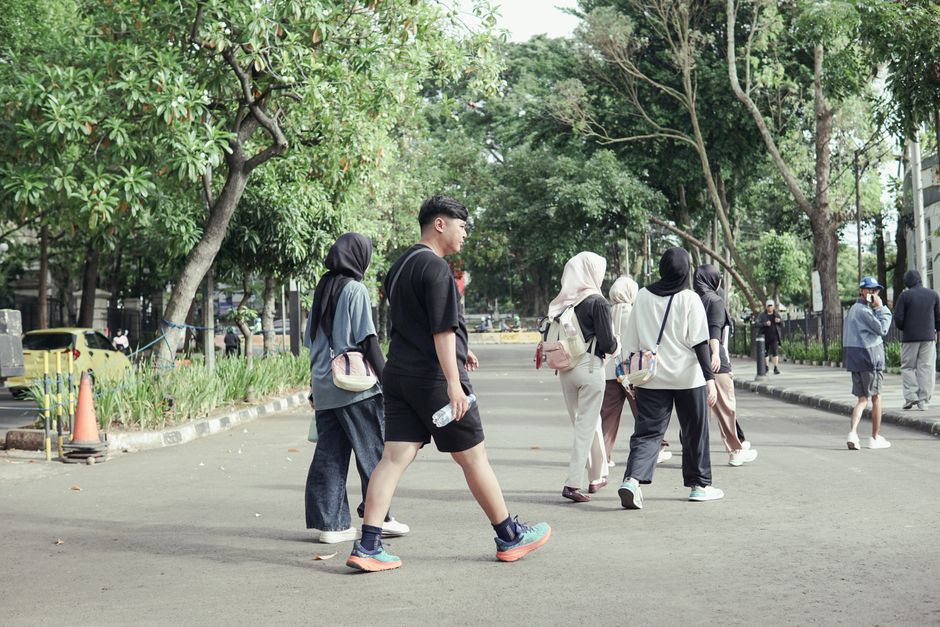
Six months ago, Maria José Sánchez laced up her trainers in Ñuñoa and hasn't looked back. What started as weekend jogs through Parque Forestal has become a twice-weekly ritual that's connected her to hundreds of other santiaguinos pursuing the same goal: escaping gyms and embracing the city's outdoor running infrastructure.
Sánchez represents a broader shift reshaping wellness in Santiago. Running clubs have proliferated across neighbourhoods—from Providencia's riverside routes along the Mapocho to Vitacura's emerging trail networks. Local sports retailers report a 34% year-on-year increase in trail running shoe sales, suggesting this isn't merely Instagram-friendly enthusiasm but genuine, sustained behaviour change.
The appeal is multifaceted. Cerro San Cristóbal offers runners elevation training with panoramic views; the Parque Forestal's 32-hectare expanse provides accessible routes for morning sessions before work. Meanwhile, the Ciclovía network—originally designed for cyclists—has become a runner's alternative, with stretches connecting Las Condes through to San Bernardo attracting evening fitness groups.
Local organisations have capitalised on this momentum. The Santiago Running Club, based near Plaza Italia, now hosts weekly group sessions that attract 150+ participants. Meanwhile, smaller neighbourhood initiatives—impromptu meetups organised through WhatsApp and Instagram—demonstrate organic community building around the trend.
What explains the uptick? Partially, it's practical: Santiago's autumn and winter weather is forgiving. Temperatures between 8–16°C during June and July actually suit distance running better than the scorching summer months. Access matters too. Unlike premium gym memberships (averaging 80,000–150,000 CLP monthly), outdoor running requires only shoes and commitment.
Yet there's a wellness dimension beyond fitness metrics. Mental health professionals in Santiago increasingly recommend trail running as a complementary practice—the combination of cardiovascular exercise, nature exposure, and community connection addresses multiple wellbeing dimensions simultaneously.
Challenges remain. Security concerns on isolated trails persist; women runners sometimes avoid certain routes after dark. Infrastructure development remains inconsistent across neighbourhoods, with wealthier areas like Providencia significantly outpacing others.
Still, the trend's momentum suggests Santiago is undergoing a genuine recalibration of its wellness priorities. The city's excellent year-round produce at local markets, combined with emerging outdoor fitness culture, points toward a holistic lifestyle shift. For runners discovering Cerro San Cristóbal's rewards or finding community through Parque Forestal's paths, the message is clear: Santiago's wellness future happens outdoors.
This article was compiled by AI and screened before publishing. See our editorial standards.
How does this story make you feel?
Spread the word
About this article
Published by The Daily Santiago
Daily brief
Free, in your inbox before 7am. Weekdays.
More in Wellness