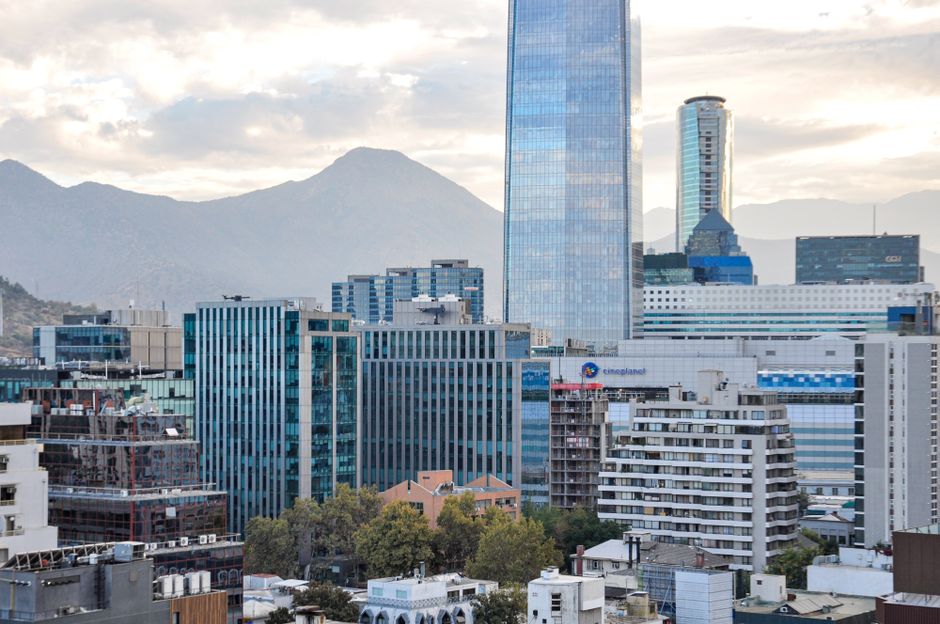
Walk through the narrow streets of Lastarria any weekday morning and you'll find business owners doing something they weren't doing two years ago: checking shipping trackers with the same intensity traders once reserved for stock indices. The global shocks reverberating from Venezuela's earthquake aftermath, Iran's maritime posturing, and Pakistan-Afghanistan border friction are no longer abstract news items—they're hitting Santiago's small business community where it counts: the bottom line.
Claudia Mendoza runs a fashion distribution operation from a modest warehouse in Quinta Normal, importing textiles and finished goods primarily through Caribbean ports. When Venezuelan supply routes became unreliable following the recent seismic event, her sourcing costs jumped 12-15 percent almost overnight. "We used to plan inventory four months ahead," she explains. "Now we're buying hand-to-mouth, which means higher per-unit costs, and those get passed to retailers." Her margins, which typically hover around 18-22 percent, have compressed to 14 percent.
The Iran situation presents a different headache. Roughly 23 percent of Santiago's import container volume typically transits through the Strait of Hormuz, according to the Chamber of Commerce. When tensions spike—as they have repeatedly this year—insurance premiums for maritime cargo spike alongside them. A container that cost $2,800 to insure six months ago now runs $3,400. Smaller operators absorb these costs; larger ones sometimes pass them on.
Not everyone is losing. Some entrepreneurs are seizing opportunity in chaos. Andrés Figueroa's logistics startup, based in the Providencia business district, has pivoted aggressively toward nearshoring consultancy, helping companies establish supply networks within South America rather than relying on distant, volatile routes. His client base has grown 34 percent year-over-year, and he's hired five additional staff members.
The real casualties, however, are margins. A survey by the Santiago Small Business Forum released last month found 61 percent of companies with annual revenues under $5 million report eroded profitability due to external shocks. Transport delays averaging 8-12 days longer than historical norms compound the problem, forcing working capital to stretch further.
For now, the strategy among most Lastarria and Quinta Normal business owners is defensive: reduce SKU count, negotiate longer payment terms with suppliers, and hope global tensions don't escalate further. Whether that proves sufficient depends largely on whether the next news cycle brings stability or further surprises.
This article was compiled by AI from the sources linked above and screened before publishing. See our editorial standards.