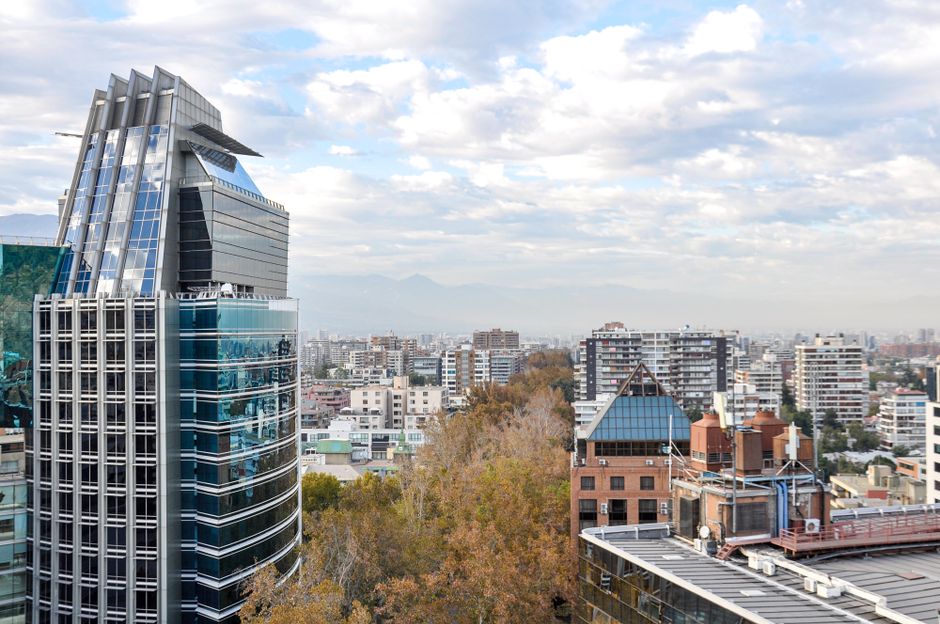
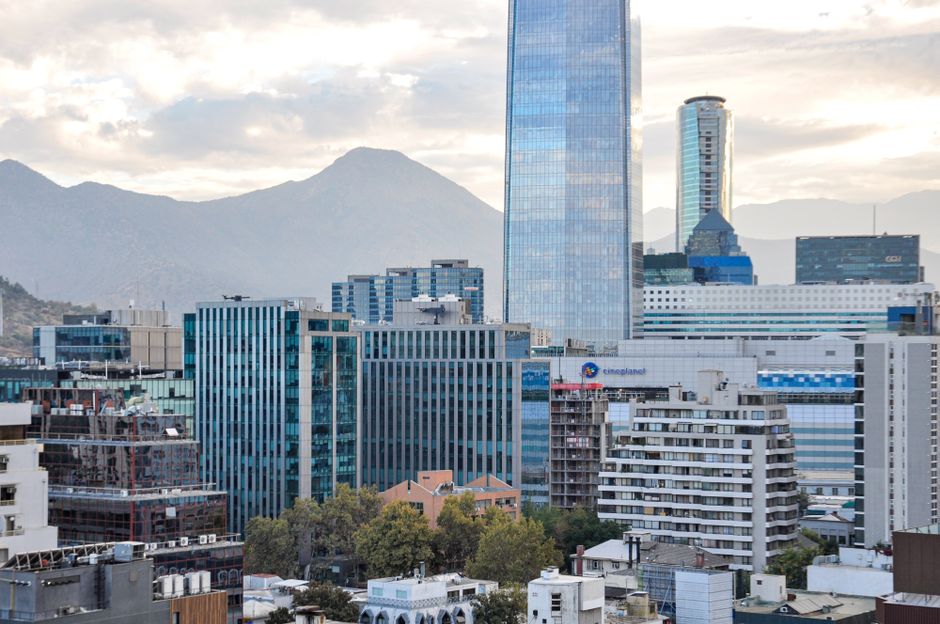
Santiago's Office Market Shifts: What Smart Businesses Need to Know Right Now
Hybrid work is reshaping demand for workspace across the city's prime districts, forcing landlords and tenants to adapt or lose ground.
Hybrid work is reshaping demand for workspace across the city's prime districts, forcing landlords and tenants to adapt or lose ground.
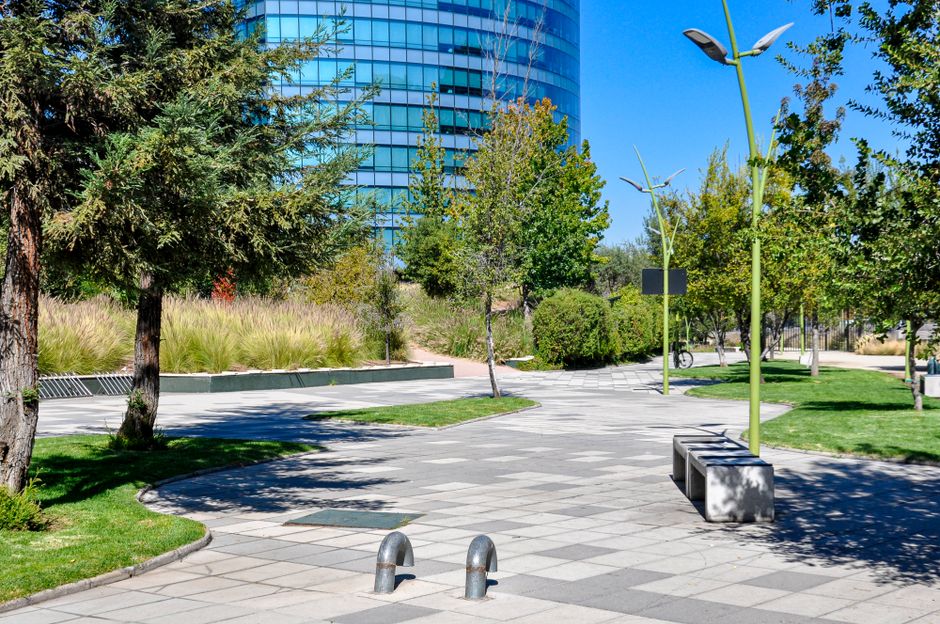
Santiago's commercial property market is undergoing a fundamental realignment. After three years of post-pandemic volatility, the office sector is settling into a new equilibrium—one that rewards flexibility and punishes outdated thinking.
The numbers tell a clear story. Premium office space in Sanhattan and the Lastarria business corridor remains stable, with Grade A properties commanding 2,200 to 2,600 pesos per square meter monthly. But secondary and tertiary locations are seeing pressure. Landlords in less-connected zones are offering six-month rent holidays and tenant improvement allowances just to fill vacancies that would have been unthinkable five years ago.
The shift reflects a stark reality: companies are no longer leasing based on square footage alone. The question has become, "How do we use this space?" Rather than sprawling open floors designed for five-day-a-week occupancy, tenants now want smaller core footprints with premium meeting facilities, collaborative zones, and reliable connectivity. Properties that can't deliver this are struggling.
This is particularly acute along Avenida Andrés Bello and in the emerging tech hubs near Parque Bustamante, where younger firms and startups cluster. These businesses—many scaling rapidly—demand shorter lease terms, scalability, and proximity to talent. Traditional ten-year fixed leases are becoming harder to place. Smart landlords are responding with three-to-five-year agreements with expansion options.
For established businesses considering relocation or renewal, the timing cuts both ways. Vacancy rates give you negotiating leverage on price and terms. But the window for premium locations is tightening. Institutional investors are consolidating portfolios, removing marginal assets from the market. This means fewer choices for the discerning tenant, even as nominal prices dip slightly in weaker submarkets.
One wildcard: the push toward mixed-use development. Several major projects converting underperforming office blocks into residential-commercial hybrids are nearing completion. This could absorb excess supply while creating vibrant neighbourhoods that attract premium tenants. The Lastarria Cultural District's transformation offers a template.
The practical takeaway? If you're exploring new space, prioritize location and flexibility over size. Negotiate hard on terms and improvement contributions—landlords need deals more than ever. And resist the temptation to grab cheap secondary space just to save money. In Santiago's reshaped landscape, location quality remains the hardest asset to fix later.
The market will stabilize, but the old rules won't apply. Adapt now, or be stuck explaining your choices in 2027.
This article was compiled by AI from the sources linked above and screened before publishing. See our editorial standards.
How does this story make you feel?
Spread the word
About this article
Published by The Daily Santiago
Daily brief
Free, in your inbox before 7am. Weekdays.
More in Business