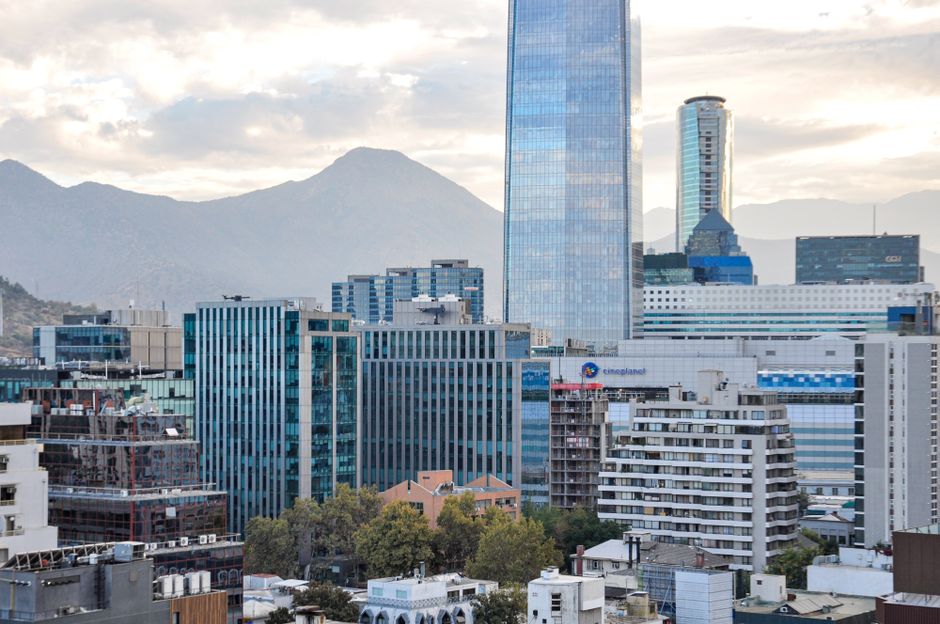
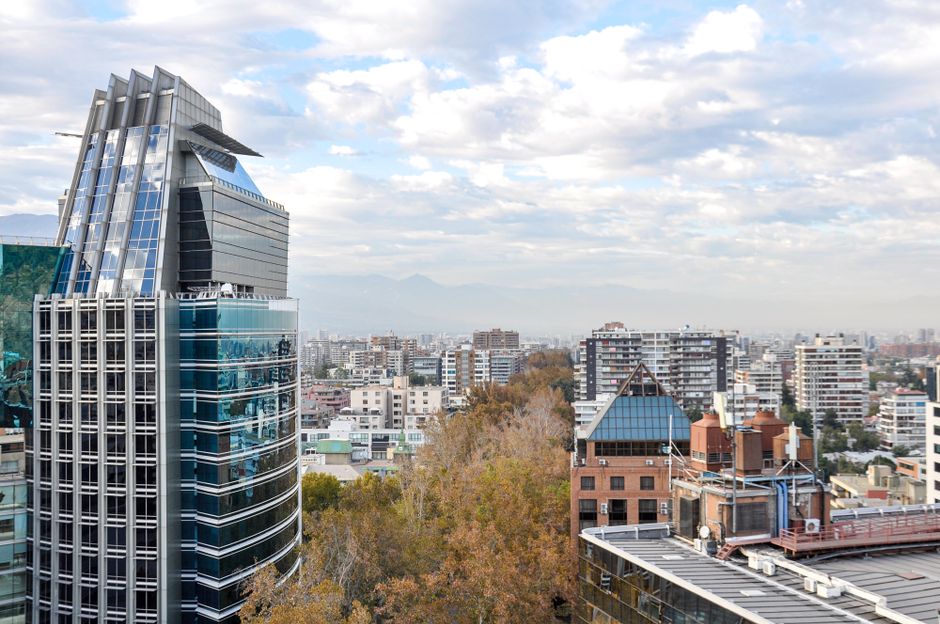
In a modest office overlooking the Mapocho River near Parque Forestal, Rosa María Fuentes manages supply chains that stretch from Maule Valley vineyards to supermarket shelves in Toronto, Stockholm, and Singapore. Her company, Viñas del Pacífico, has become one of Santiago's most successful exporters of premium wines and organic produce, generating roughly $12 million in annual international sales—a remarkable achievement for an operation that began just eight years ago from her family's small plot near San Bernardo.
"Santiago's geographic position is our greatest asset," Fuentes explained during a recent industry forum at the Cámara de Comercio on Teatinos Street. "We're equidistant from Asia and North America, with established port infrastructure. That matters when you're competing against producers in Napa or Bordeaux."
The wine sector alone contributed over $2.8 billion to Chile's export economy last year, according to figures from ProChile, the government trade promotion agency. Yet Fuentes recognised an underexploited niche: premium, traceable products marketed directly to conscious consumers in developed markets willing to pay 40-60 percent premiums for authenticity and sustainability credentials.
Her breakthrough came in 2023 when a partnership with a Copenhagen-based distributor opened Scandinavian markets. Within eighteen months, Nordic retailers were stocking her Carmenère and Cabernet Sauvignon variants. She subsequently pivoted toward organic certification and blockchain-verified supply chain transparency—a costly but commercially savvy move that attracted venture capital from Santiago-based Fondo Innovación Agrícola.
The expansion hasn't been frictionless. Trade tensions between major markets, volatile currency exchange rates, and new tariff regimes have squeezed margins. Yet Fuentes has hedged against these pressures by diversifying into value-added products—wine-based cosmetics, organic pisco, specialty jams—manufactured partly at a facility in Ñuñoa that employs 34 people.
Her success reflects a broader shift among Santiago's mid-market entrepreneurs: moving beyond commodity exports toward differentiated, storytelling-driven products that command premium pricing in affluent markets. The city's universities, logistics hubs, and digital infrastructure provide the scaffolding; individual ambition and market acuity do the rest.
"What we're seeing is entrepreneurial maturity," noted economist Andrés Velasco at a recent Santiago Chamber of Commerce lunch. "It's not just about volume anymore. It's about sustainable competitive advantage."
For Fuentes, that advantage lies in understanding that today's global consumer—whether in Vancouver or Melbourne—increasingly votes with their wallet. Santiago's business ecosystem, she believes, can deliver on that promise.
This article was compiled by AI from the sources linked above and screened before publishing. See our editorial standards.