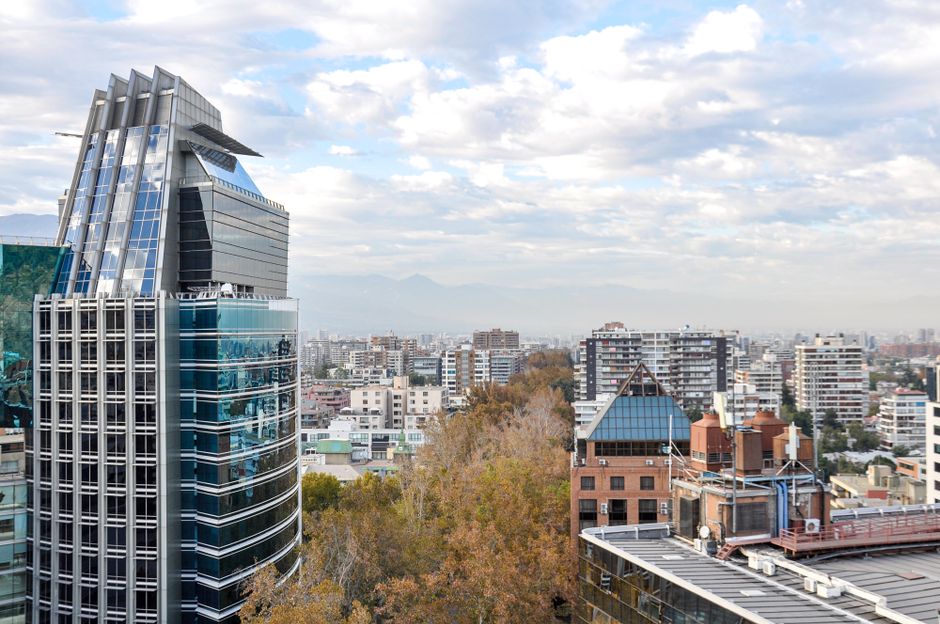
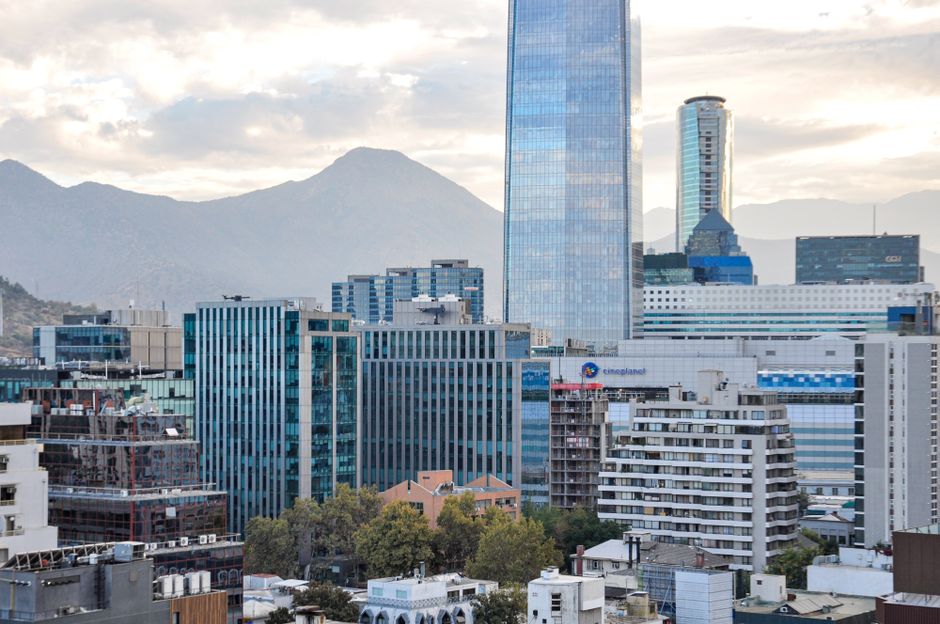
The gleaming office towers that have defined Santiago's business landscape for three decades are facing an unprecedented challenge. Major financial institutions and tech companies—long anchored to prestigious addresses in the Lastarria and Providencia districts—are downsizing their physical footprints by 30 to 40 percent, according to recent surveys from the Santiago Chamber of Commerce.
The ripple effects are reshaping where Santiaguans work and live. Companies like major regional tech firms and multinational banking operations have shifted thousands of roles to hybrid or fully remote arrangements, fundamentally altering the composition of the local talent market. Downtown commercial office space in the Costanera Center district, once commanding premium rental rates exceeding 25,000 pesos per square meter annually, is now experiencing unprecedented vacancy rates approaching 18 percent.
But this disruption is creating unexpected winners. The burgeoning neighborhoods of Ñuñoa and La Florida, once considered secondary business locations, are experiencing a surge in entrepreneurial activity. Local real estate data shows residential property values in Ñuñoa have appreciated 12 percent year-over-year, as workers relocating from cramped downtown apartments seek larger homes with dedicated office spaces. Co-working facilities have mushroomed across these areas—venues like those clustering around Avenida Providencia extension and near the Metro Roosevelt station are operating at near-capacity.
This spatial reorganization is fundamentally reshaping talent acquisition strategies. Human resources executives report that geographic flexibility has become a decisive factor in recruitment, particularly for specialized roles in software development and data analytics. Santiago's competitive advantage in attracting regional talent—previously centered on downtown office prestige—now hinges on offering flexibility and supporting distributed work infrastructure.
The shift poses significant challenges for service economies traditionally dependent on downtown foot traffic. Restaurants and cafes clustered around Plaza de Armas and Moneda have reported declining daytime clientele, while suburban venues are experiencing compensatory growth. Public transportation patterns have shifted noticeably, with peak-hour congestion on key routes decreasing by approximately 15 percent according to metro authority data.
Industry analysts suggest Santiago's job market is entering a new phase of decentralization. Educational institutions including Universidad de Chile and Pontificia Universidad Católica have reported increased demand for digital literacy and remote collaboration training programs. Meanwhile, municipal authorities in outer districts are fast-tracking infrastructure improvements to accommodate growing business activity.
The transformation carries long-term implications for Santiago's urban development strategy and social equity. While suburban expansion creates employment opportunities beyond traditional business districts, questions remain about equitable access to these opportunities across socioeconomic lines.
This article was compiled by AI from the sources linked above and screened before publishing. See our editorial standards.