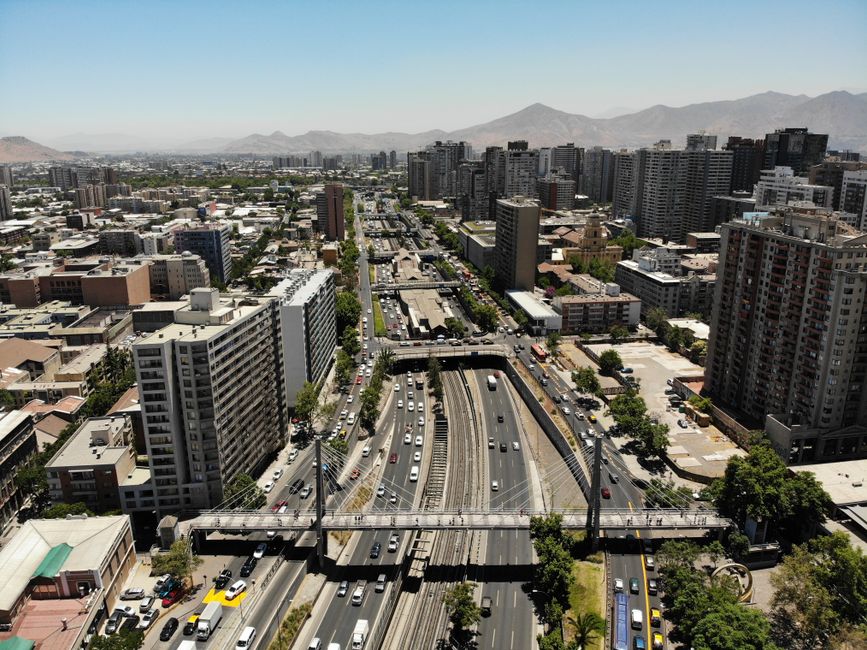
The proposed extension of Santiago's Metro Line 7 into La Florida has become the focal point of a broader conversation about the city's transport infrastructure. City officials, urban planners, and transit engineers are weighing in on what many are calling the most significant public works project for the capital since the 2019 social protests forced a reckoning with decades of underinvestment in outlying neighbourhoods.
According to statements from the Metropolitan Transport Authority, the expansion—which would add 12 kilometres of track and six new stations stretching from Irarrázaval to the La Florida district—carries an estimated cost of 1.8 billion pesos. Officials are emphasising that the project addresses a critical mobility gap affecting over 340,000 residents in south-eastern Santiago who currently rely on increasingly congested bus networks.
Engineers at the University of Chile's Transport Research Institute have underscored the infrastructure's potential to reduce commute times by up to 35 minutes for daily passengers and cut vehicle emissions in the corridor by an estimated 12 percent. However, experts have also raised concerns about surface-level disruptions during construction along Avenida Irarrazaval and the neighbouring residential zones of Ñuñoa and Peñalolén.
The municipality of La Florida has declared support for the initiative, with municipal authorities highlighting that improved transit access could attract commercial development and reduce car dependency in the district. Yet some neighbourhood associations have voiced concerns about construction timelines, with the current projection spanning four years.
Beyond the Metro expansion, planning authorities have also signalled renewed focus on the Costanera Norte highway upgrade and the proposed tramway network expansion in Vitacura. Transport consultants note that these projects, taken together, reflect a shifting political commitment to mobility equity—though budget constraints remain a persistent challenge.
Officials from the Ministry of Public Works have indicated that federal funding commitments depend on parliamentary approval expected in the third quarter, adding another layer of uncertainty for timeline projections. Meanwhile, traffic engineers warn that without these infrastructure investments, Santiago's peak-hour congestion could worsen by 18 percent over the next five years as the metropolitan area's population is expected to grow by 1.2 million residents.
The conversation among transport authorities suggests that while consensus exists on the necessity of these projects, questions about execution, sustainability, and equity in how costs and benefits are distributed across Santiago's neighbourhoods remain contentious. The coming months will reveal whether officials' current momentum can translate into sustained political and financial support.
This article was compiled by AI from the sources linked above and screened before publishing. See our editorial standards.