Santiago's Transport Revolution Hits New Milestone as Metro Extension Breaks Ground This Week
After years of planning delays, construction officially begins on the long-awaited Line 7 extension connecting Mapocho to the eastern suburbs.
After years of planning delays, construction officially begins on the long-awaited Line 7 extension connecting Mapocho to the eastern suburbs.
Santiago's infrastructure landscape shifted dramatically this week as construction crews broke ground on the city's most ambitious transport project in over a decade. The Metro Line 7 extension, stretching 12.4 kilometres from the current Mapocho terminus eastward through Ñuñoa and into the rapidly developing communes of La Florida and San Bernardo, officially commenced operations on Monday morning with a ceremony attended by municipal authorities and transport officials.
The $2.8 billion project represents a crucial investment for a metropolitan region grappling with traffic congestion that costs the economy an estimated $3.2 billion annually. According to the Santiago Transport Authority, the extension is expected to reduce travel times by up to 35 minutes for commuters in the eastern corridor and accommodate an additional 650,000 daily passengers once fully operational in 2029.
"This is transformational infrastructure for Santiago," said a statement from the Metro operator, emphasizing that the project had cleared its final environmental and engineering assessments just days before work commenced. The timeline had been uncertain for months following review procedures that extended beyond initial expectations.
The extension will feature eight new stations, with key stops planned at Avda Irarrázaval in Ñuñoa, the commercial district near Centro Comercial Jumbo, and critical transfer points in La Florida where connections to Bus Rapid Transit corridors will improve regional connectivity. Engineers have already begun preliminary excavation work in the Mapocho neighbourhood, where traffic management plans are now active on surrounding streets including Avda Lastarria and Puente Cal y Canto.
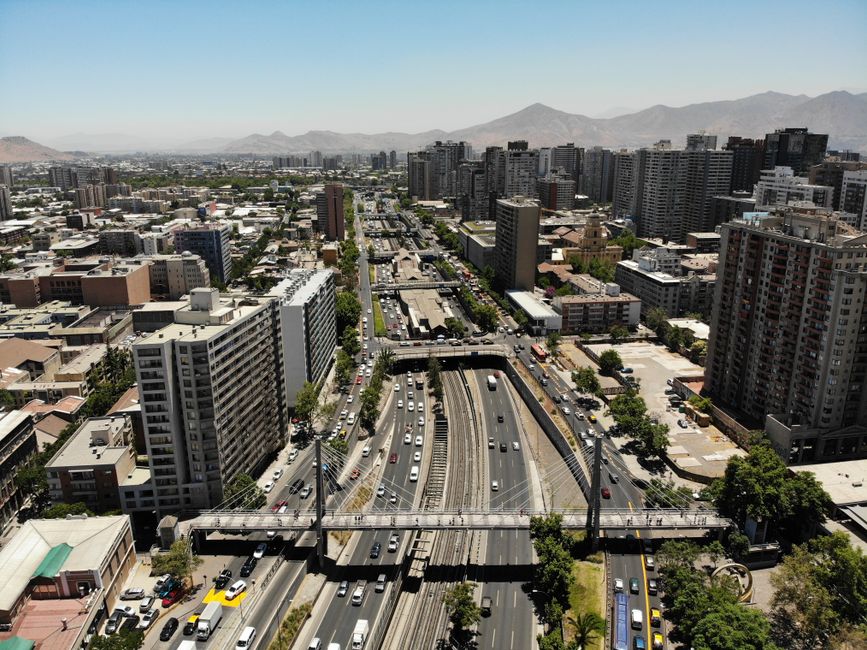
Beyond the Metro expansion, this week also saw approval for the Costanera Ring Road upgrade, a separate $890 million project to expand capacity on one of Santiago's most congested arterial routes. The north-south thoroughfare currently carries 280,000 vehicles daily, and the modernization aims to reduce bottlenecks around the Providencia and Las Condes interchange.
Local business groups have cautiously welcomed the announcements, though concerns persist about construction disruption. The Chamber of Commerce warned that careful coordination between projects would be essential to minimize impact on retail activity in central Santiago neighbourhoods.
The dual infrastructure push reflects broader recognition that Santiago's growth—the city now hosts 40 percent of Chile's population—demands sustained investment in mobility. Transit officials estimate these projects combined will inject approximately 18,000 jobs into the construction sector over the next three years.
This article was compiled by AI from the sources linked above and screened before publishing. See our editorial standards.
How does this story make you feel?
Spread the word
About this article
Published by The Daily Santiago
Daily brief
Free, in your inbox before 7am. Weekdays.
More in News