Santiago's Green Revolution: What the Numbers Tell Us About Our Sustainability Push
New data reveals how the capital's environmental initiatives are reshaping the city's carbon footprint and urban landscape.
New data reveals how the capital's environmental initiatives are reshaping the city's carbon footprint and urban landscape.
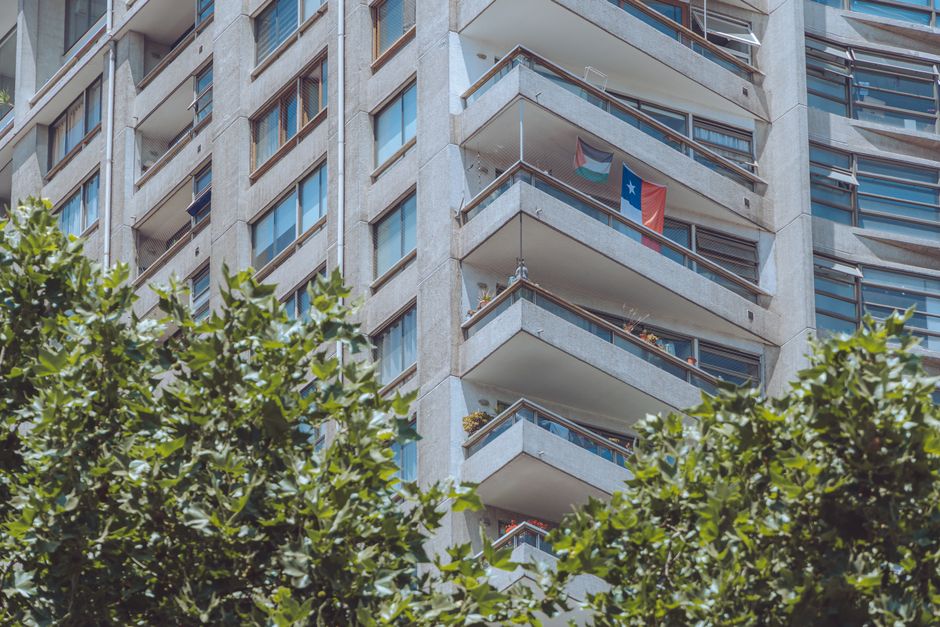
Santiago's commitment to sustainability has moved from slogan to spreadsheet. A comprehensive audit released this month by the Municipal Environment Department shows the capital has reduced greenhouse gas emissions by 12.3% over the past three years—a milestone that masks both progress and persistent challenges in neighbourhoods across the city.
The figures paint a complex picture. Public transport usage along the Línea 3 metro corridor, running from La Florida through the historic Centro to Pajaritos, has increased 31% since 2023, driven partly by a 40-peso reduction in fares implemented last year. Yet private vehicle registrations in Santiago remain stubbornly high at 89,000 units annually, representing a 4.2% year-on-year rise.
Water consumption tells an equally telling story. The Metropolitan Water Company reports that households in affluent neighbourhoods like Las Condes and Ñuñoa consume an average of 187 cubic metres monthly—nearly triple the 64 cubic metres in outer districts like La Pintana. The disparity prompted new water rationing protocols introduced in March, though compliance has reached only 67% in high-income areas.
Solar panel installations have accelerated dramatically, with 8,847 residential systems deployed across the city by June 2026, generating approximately 12.4 megawatts of renewable energy. The cost has fallen from 3.2 million pesos per installation five years ago to 1.8 million pesos today. However, only 23% of these installations are in municipalities south of the Río Mapocho, revealing a stark geographical divide in sustainability access.
Tree canopy coverage in Santiago has expanded to 11.8% of the city's total area—up from 9.1% in 2020—thanks to an urban forestry initiative that has planted 156,000 native trees. Yet air quality data remains troubling: the city experienced 47 days exceeding acceptable PM2.5 levels in the first half of 2026, compared to 51 days in the equivalent 2025 period.
Waste management data offers cautious optimism. Recycling rates across Santiago's 52 municipalities have reached 34%, with the Macroplanta de Reciclaje in Pudahuel processing 18,500 tonnes monthly. Conversely, landfill usage at Santa Marta de Putaendo continues to climb, receiving 847,000 tonnes annually—a 6% increase from 2025.
These numbers underline a fundamental reality: Santiago's sustainability transformation is genuine but unequally distributed. Progress coexists with inequality, expansion with environmental pressure. As the city approaches mid-2026, officials face a critical question: can data-driven policy close these widening gaps?
This article was compiled by AI from the sources linked above and screened before publishing. See our editorial standards.
How does this story make you feel?
Spread the word
About this article
Published by The Daily Santiago
Daily brief
Free, in your inbox before 7am. Weekdays.
More in News