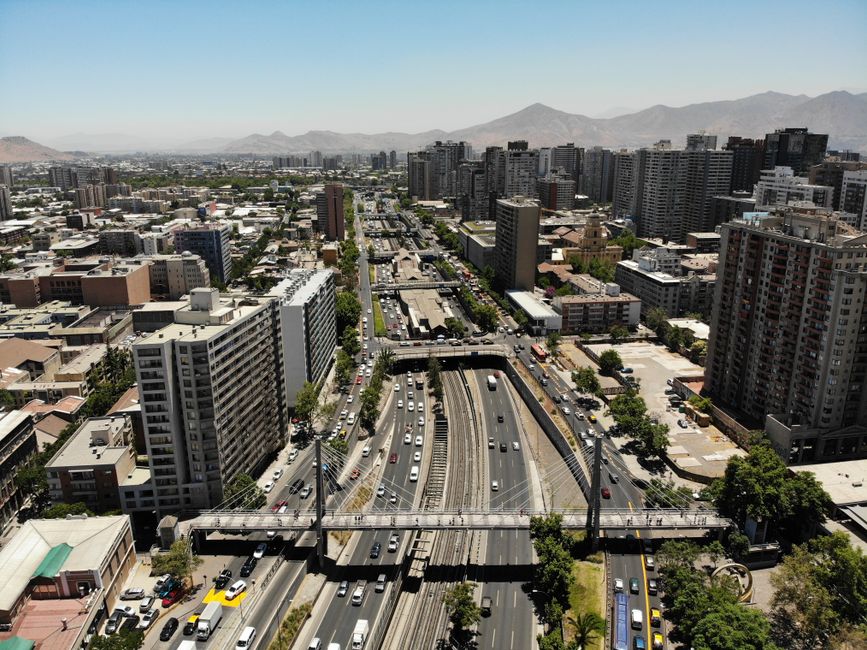
Walk down Avenida Irarrázaval on any weekday afternoon and you'll find something quietly revolutionary happening inside a converted warehouse near Parque Metropolitano. The Comedor Barrial Ñuñoa—one of seven community kitchens that have opened across Santiago since early 2025—is serving 300 meals daily at roughly 3,500 pesos per person, about 40% cheaper than comparable restaurant prices.
For residents like those in the densely populated neighbourhoods surrounding the kitchen, this isn't just about affordability. It's reshaping how communities function. "These spaces have become meeting points," says local community organiser María Contreras, who coordinates volunteer efforts across three kitchens. "People are building relationships they wouldn't have otherwise."
The timing is critical. With inflation pushing basic groceries up 23% since 2024—eggs now averaging 450 pesos per unit compared to 365 two years ago—families across Santiago's middle and working-class sectors are reassessing their budgets. A household spending 15% of income on food in 2024 now spends nearly 18%, according to research from the Centro de Estudios Públicos.
The community kitchen model addresses this squeeze while creating unexpected social infrastructure. The Cocina Solidaria in San Miguel, operating from a renovated municipal building on Calle Lastarria, has expanded its original two-days-a-week service to five days following demand. Volunteers—many unemployed or underemployed—gain work experience and small stipends. Local suppliers benefit from bulk contracts. And residents develop networks that extend beyond meal times.
"My kids have friends now from three different blocks," says Jorge Menéndez, who visits the La Florida kitchen twice weekly. "The school struggles to create that kind of community anymore."
Santiago's municipal government has committed 2.1 billion pesos to expand the programme to 12 kitchens by December, though funding remains contested in city council meetings. Critics argue subsidies should target direct cash assistance instead. Yet advocates point to secondary benefits: reduced social isolation, improved food security for 8,000+ regular users, and neighbourhood cohesion in areas where community bonds have weakened.
The kitchens also expose systemic gaps. Waiting lists exceed capacity at five locations. Some neighbourhoods south of the Río Mapocho lack access entirely. And sustainability remains uncertain—the programme depends on volunteer labour and municipal goodwill in an era of tight budgets.
Still, for Santiago's residents navigating genuine economic strain, these spaces represent something rare: a tangible, visible response to their daily struggles, built by neighbours rather than imposed from above.
This article was compiled by AI from the sources linked above and screened before publishing. See our editorial standards.