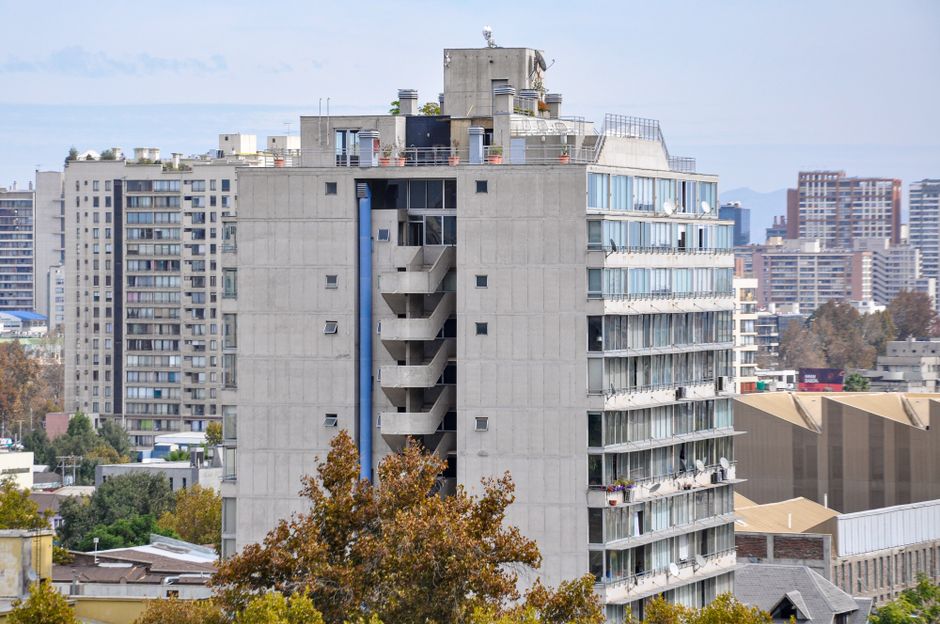
Santiago's rental market is experiencing a quiet but significant shift. While investment property yields have contracted to historical lows—hovering around 4-5% in Las Condes and Vitacura—vacancy rates in traditionally sought-after neighbourhoods have begun creeping upward, creating an unusual tension between landlord returns and tenant availability.
For investors who purchased during the 2023-2024 surge when properties in Vitacura were commanding CLP 95M+ for modest two-bedroom apartments, the mathematics have become uncomfortable. Monthly rents in the neighbourhood typically yield around CLP 1.8M to 2.2M, translating to gross returns of just 2.8-3% before expenses. Insurance, maintenance, and potential vacancies erode this further, pushing net yields into territory that once seemed unthinkable for Santiago's premium market.
The pressure is reshaping investment behaviour. Landlords in Providencia and Ñuño—where yields remain marginally healthier at 5-6%—are increasingly selective about tenancy duration and tenant profiles. Short-term rentals and corporate housing agreements have become more common as owners seek stability over flexibility. Meanwhile, properties on Avenida Apoquindo and around the commercial corridors near Parque Arauco are experiencing longer turnover periods, with some units sitting vacant for 60+ days.
Tenants, conversely, are discovering unexpected leverage. The traditional practice of landlords demanding three-month deposits and multiple payslips has softened in neighbourhoods experiencing genuine oversupply. In Maipu and Quilicura, where foreign buyer interest has intensified rental supply, property owners are offering move-in incentives and flexible lease terms to secure occupancy. However, premium zones remain seller's markets—rents on Cerro San Cristóbal-adjacent properties continue climbing despite broader market softening.
The situation has exposed a deeper market bifurcation. Foreign investment has flooded mid-range and emerging neighbourhoods, improving yield profiles there while simultaneously cannibalizing demand from traditional rental strongholds. A 1.5-bedroom in Quilicura might now yield 6% net, making Las Condes' 2.8% yield increasingly untenable for new investors prioritizing cash flow over appreciation.
Professional property managers report shifting client priorities. Fewer landlords are pursuing aggressive rental increases; instead, retention has become paramount. Some are accepting longer vacancies between tenants rather than lowering asking prices—a counterintuitive stance that reflects broader psychology about protecting asset valuations even at the expense of current returns.
For Santiago's property market, this recalibration matters. When yields no longer justify the carrying costs and currency risks of ownership, investment patterns change. The next phase may see consolidation among smaller landlords and a shift toward larger institutional investors—a transition already visible across metropolitan Chile's property landscape.
This article was compiled by AI from the sources linked above and screened before publishing. See our editorial standards.