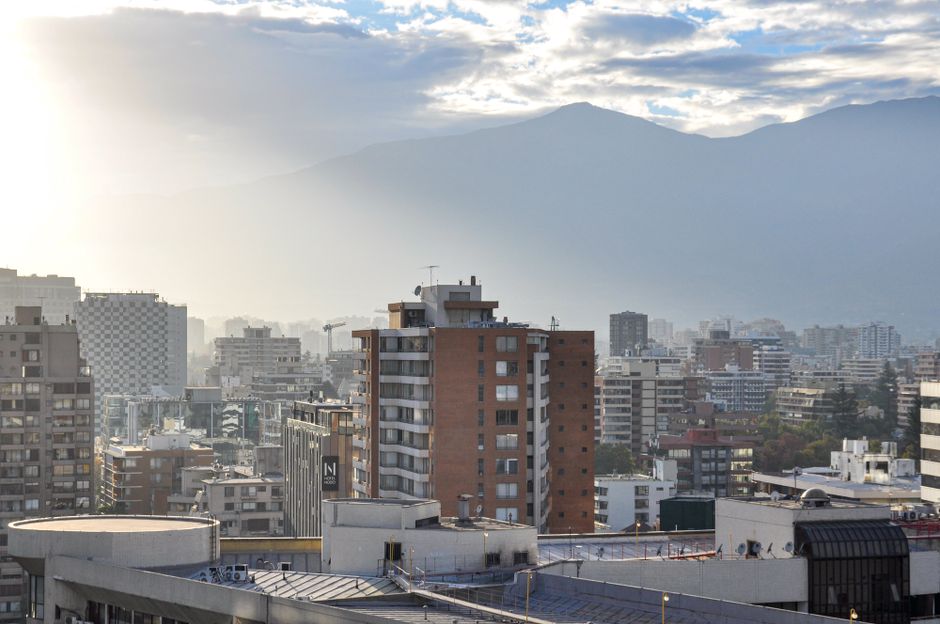
Santiago's investment property landscape has fundamentally shifted. With average prices hovering near CLP 85 million across the capital, rental yields are tightening even as buyer competition intensifies—a dynamic that demands fresh thinking from anyone considering capital deployment in residential real estate.
The primary culprit is straightforward: foreign investment. International buyers, particularly from Peru and Colombia, have gravitated toward Las Condes and Vitacura's established prestige. Properties along Avenida Apoquindo and within metres of shopping districts now command prices that barely justify traditional rental returns. A two-bedroom apartment in Vitacura's core might fetch CLP 2.8M monthly rent on a CLP 750M purchase—a yield barely exceeding 4.5% before expenses and taxes.
Yet the market is bifurcating in revealing ways. Providencia and Ñuoa, long considered solid middle-income neighbourhoods, are experiencing price appreciation driven by lifestyle migration rather than pure investment mechanics. Young professionals relocating from Las Condes for walkability and dining culture are pushing values up, creating compression in yields there too. A studio near Plaza Ñuoa might rent for CLP 900K on a CLP 160M asking price—better proportions, but with limited upside.
The real opportunity sits in Santiago's growth belt: Maipú and Quilicura. While lacking the cachet of eastern barrios, these areas attract young families and service sector workers who'll sustain rental demand for decades. Properties here yield 5.5–6.5%, and price appreciation, though slower, remains uncorrelated with foreign capital flows. Developers are actively improving infrastructure along Avenida América and near Metro stations, quietly reshaping neighbourhood fundamentals.
For investors navigating this environment, several principles matter. First, abandon yield-chasing in trophy zones. If you're buying in Las Condes primarily for rental return, you've already lost the argument. Second, factor regulatory risk: Chile's government continues reforming tenant protections and property taxation, and investment calculations must include scenario planning. Third, understand your buyer—international investors seek capital appreciation and passport diversification, not 5% yields. Domestic investors should focus on supply-constrained, infrastructure-improving neighbourhoods where both rental and sale values will compound.
The market's message is clear: price-driving forces—foreign capital, regulatory shifts, demographic migration—no longer align neatly with return-generating fundamentals. Success requires distinguishing between where prices are rising and where cash-on-cash returns justify the risk. In mid-2026, that distinction has never been sharper.
This article was compiled by AI from the sources linked above and screened before publishing. See our editorial standards.