Santiago's Quietest Revolution: The Daily Habits Locals Are Using to Manage Stress
From dawn walks in Cerro San Cristóbal to meditation circles in Ñuñoa, Santiago residents are building simple, sustainable routines that actually stick.
From dawn walks in Cerro San Cristóbal to meditation circles in Ñuñoa, Santiago residents are building simple, sustainable routines that actually stick.
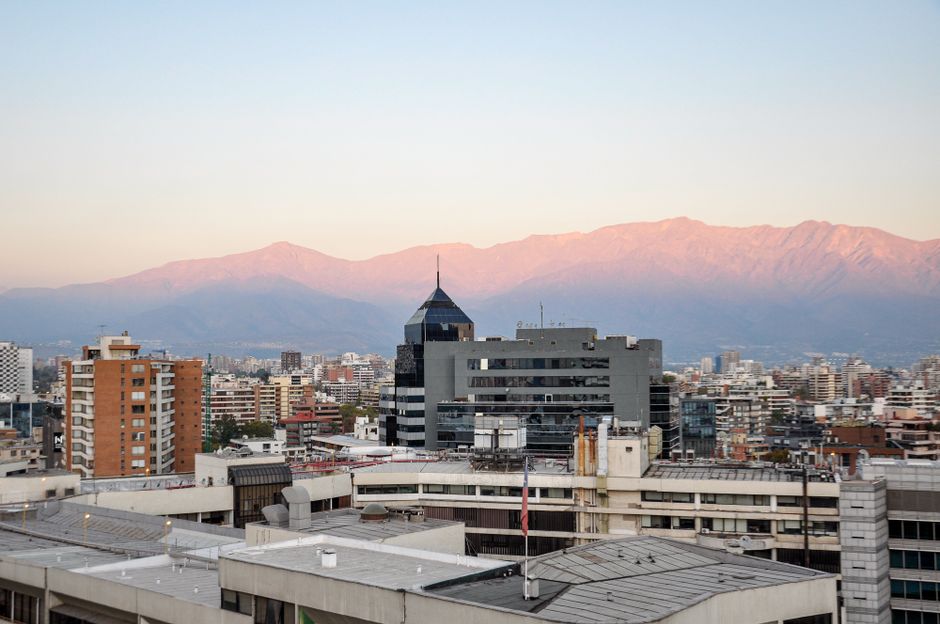
Stress management in Santiago isn't happening in expensive wellness retreats or exclusive meditation apps. Instead, it's unfolding in the city's parks, neighbourhood plazas, and quiet morning routines—practices that locals have quietly refined into genuine lifestyle shifts.
The most accessible habit emerging across the capital is the early morning walk. Residents from Providencia to La Florida have adopted dawn strolls through accessible green spaces: Cerro San Cristóbal remains free to enter before 8 a.m., while the gentler paths of Parque Forestal offer a softer alternative for those in central neighbourhoods. Mental health professionals note that regular morning movement—even 20 minutes—reduces cortisol levels and sets a calmer tone for the workday. Many locals combine this with mate rituals, turning the walk into a reflective practice rather than just exercise.
Breath-work sessions have gained traction through community organisations. Groups meeting in plazas across Lastarria and around the Plaza Italia have normalised five-minute breathing exercises during lunch breaks. These aren't formal classes—they're peer-led, free, and designed for busy professionals working in the financial and healthcare sectors downtown. The consistency matters more than intensity: daily practice outperforms occasional deep-dive wellness days.
Digital disconnection windows are another habit gaining ground. Rather than complete social media fasts, which many find unrealistic, Santiago residents report success with structured phone-free hours—typically between 7 and 8 p.m. and during meals. This aligns with Chile's growing awareness of mental health; recent SENDA data showed that stress-related sleep issues affect approximately 34% of working-age Santiaguinos, yet simple screen boundaries correlate with measurable improvement.
Local produce markets—La Vega Central and neighbourhood markets throughout Ñuñoa and Vitacura—have become unexpected wellness hubs. The sensory engagement of selecting seasonal fruit and vegetables, talking with vendors, and planning meals provides grounding and purpose. This tactile, offline activity interrupts the abstract stress of desk-based work.
Perhaps most importantly, locals emphasise that these habits work because they're low-cost, repeatable, and embedded in existing routines. A 15-minute walk isn't glamorous, but it's sustainable. Shared breathing exercises aren't trendy, but they're free. Santiago's quietest wellness revolution isn't about perfection—it's about consistency, accessibility, and small daily choices that compound over months.
For anyone developing a personal stress-management practice, consulting with a local healthcare provider or psychologist can help tailor these habits to your specific needs and circumstances.
This article was compiled by AI from the sources linked above and screened before publishing. See our editorial standards.
How does this story make you feel?
Spread the word
About this article
Published by The Daily Santiago
Daily brief
Free, in your inbox before 7am. Weekdays.
More in Wellness