From Diagnosis to Prevention: How Santiago's Residents Are Taking Control of Their Health Through Early Screening
Local stories reveal how preventive medicine and community-based health programs are transforming lives across the capital.
Local stories reveal how preventive medicine and community-based health programs are transforming lives across the capital.
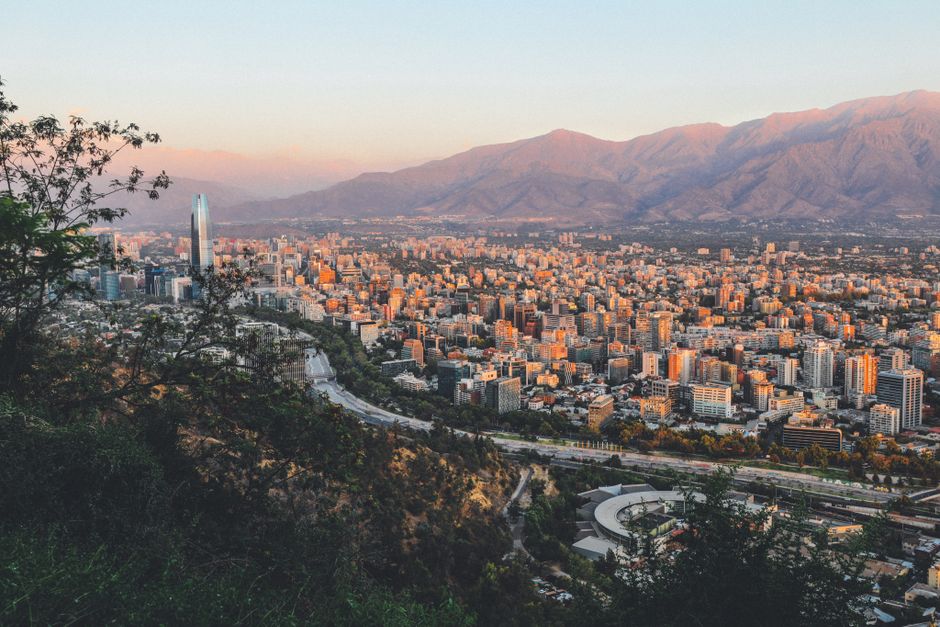
In the tree-lined neighborhoods of Ñuñoa and Providencia, a quiet health revolution is taking place. More Santiago residents are discovering that a single preventive screening—often covered partially by FONASA or private health plans ranging from $80,000 to $250,000 CLP annually—can reshape their entire health trajectory.
The transformation begins with awareness. At public health clinics throughout the Mapocho riverfront area and in community centers near Parque Forestal, health promoters are encouraging residents to move beyond reactive medicine. Cardiovascular screenings, blood pressure checks, and metabolic panels have become routine conversations at neighborhood health fairs, particularly in sectors where residents historically delayed medical visits.
Dr. Carmen González, coordinator of preventive health initiatives at a major clinic network in Los Condes, notes that early detection programs have grown significantly since 2024. "We're seeing people in their 40s and 50s come in for comprehensive check-ups before symptoms appear," she explains. Colorectal cancer screenings, mammograms for women over 40, and prostate assessments for men over 50 are now accessible through subsidized programs at public health centers (CESFAM) distributed across every commune.
The impact extends beyond individual health markers. At the Universidad de Chile's preventive medicine department, researchers tracking over 3,000 Santiago residents found that those engaged in regular screening protocols reduced emergency room visits by approximately 34% within two years. The financial relief—both personal and systemic—has proven substantial.
Community cycling groups along the Ciclovía routes and fitness enthusiasts at Cerro San Cristóbal park report that preventive health conversations have become normalized. Regular physical activity combined with routine screenings creates a powerful duo: movement keeps joints and cardiovascular systems resilient, while screenings catch silent threats like hypertension or diabetes before complications emerge.
Access remains nuanced. While private healthcare in high-income areas like Vitacura offers comprehensive wellness packages, public health centers in neighborhoods like San Bernardo and Puente Alto are expanding preventive services. Many CESFAM locations now offer free blood work and basic imaging for at-risk populations.
The message resonating through Santiago's communities is straightforward: preventive health isn't luxury—it's practical wisdom. Whether accessed through employer plans, FONASA, or subsidized public programs, early detection offers residents the chance to intercept health challenges before they demand crisis intervention.
For those considering their own preventive journey, consulting with a local medical professional—whether at your neighborhood CESFAM or preferred private provider—remains the essential first step.
This article was compiled by AI from the sources linked above and screened before publishing. See our editorial standards.
How does this story make you feel?
Spread the word
About this article
Published by The Daily Santiago
Daily brief
Free, in your inbox before 7am. Weekdays.
More in Wellness