Santiago's Running Revolution: How Outdoor Trail Fitness Is Reshaping the City's Wellness Culture
From Parque Forestal to Cerro San Cristóbal, runners are ditching gyms for fresh air—and the city's infrastructure is finally catching up.
From Parque Forestal to Cerro San Cristóbal, runners are ditching gyms for fresh air—and the city's infrastructure is finally catching up.
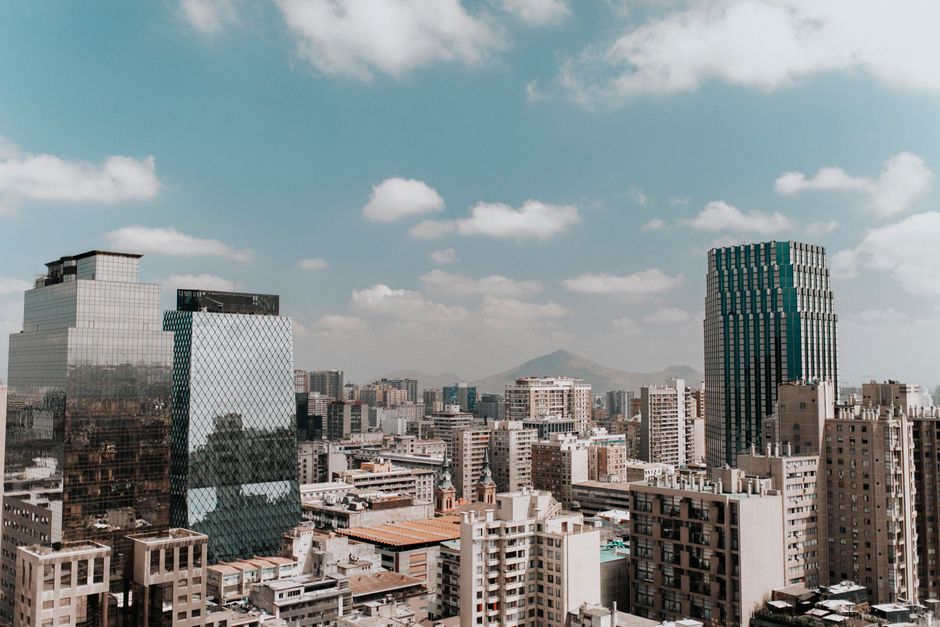
Five years ago, finding a well-maintained running trail in Santiago meant either paying for a private club membership or making do with crowded sidewalks. Today, the city's outdoor fitness landscape has transformed dramatically. What started as a niche wellness pursuit has become a defining feature of Santiago's health-conscious identity, driven by a generation prioritising fresh air, accessibility, and community over indoor equipment.
The numbers tell the story. Local running clubs report membership growth of nearly 40% since 2023, with groups like Runner's Club Santiago and Corre Conmigo now hosting weekly meetups across multiple neighbourhoods. Parque Forestal, traditionally a leisure destination, has become the unofficial hub for weekday runners, with dedicated track sections now maintained by the municipality. Meanwhile, Cerro San Cristóbal's circuit—a 7-kilometre loop gaining elevation—has evolved from an overlooked hiking spot into a legitimate training ground for serious athletes preparing for half-marathons and ultramarathons.
What's driving this shift? Partly pragmatism. A monthly gym membership in Santiago's affluent neighbourhoods like Las Condes or Ñuñoa ranges from 45,000 to 80,000 Chilean pesos. Running outdoors costs nothing. But there's more to it than economics. The pandemic normalised outdoor movement, and Santiago's residents have discovered what endurance athletes have long known: the Andes as a backdrop during a morning run is incomparable to fluorescent-lit treadmills.
The city is responding. The Municipalidad de Santiago completed a 12-kilometre cycling and running path along the Mapocho river in 2024, making safe trail access available to residents in central neighbourhoods. Private organisations have similarly invested—new running stores in Providencia and Vitacura now offer gait analysis and training programmes designed specifically for Santiago's varied terrain.
Local environmental factors have also played a role. After years of poor air quality, improvements in 2024 and 2025 made outdoor running genuinely feasible again. The timing coincided with a broader Chilean wellness trend emphasising seasonal, locally-sourced approaches to health—much like the farm-to-table movement in nutrition.
Yet challenges remain. Many trails lack adequate lighting for evening runners, and infrastructure in outer comunas like La Florida and Puente Alto lags significantly behind central areas. For Santiago's wellness community to truly embed outdoor running as a city-wide habit, equity in trail access will be essential.
For now, though, any morning in Parque Forestal or along the Cerro circuit offers proof: Santiago's runners have stepped outside, and they're not going back.
This article was compiled by AI from the sources linked above and screened before publishing. See our editorial standards.
How does this story make you feel?
Spread the word
About this article
Published by The Daily Santiago
Daily brief
Free, in your inbox before 7am. Weekdays.
More in Wellness