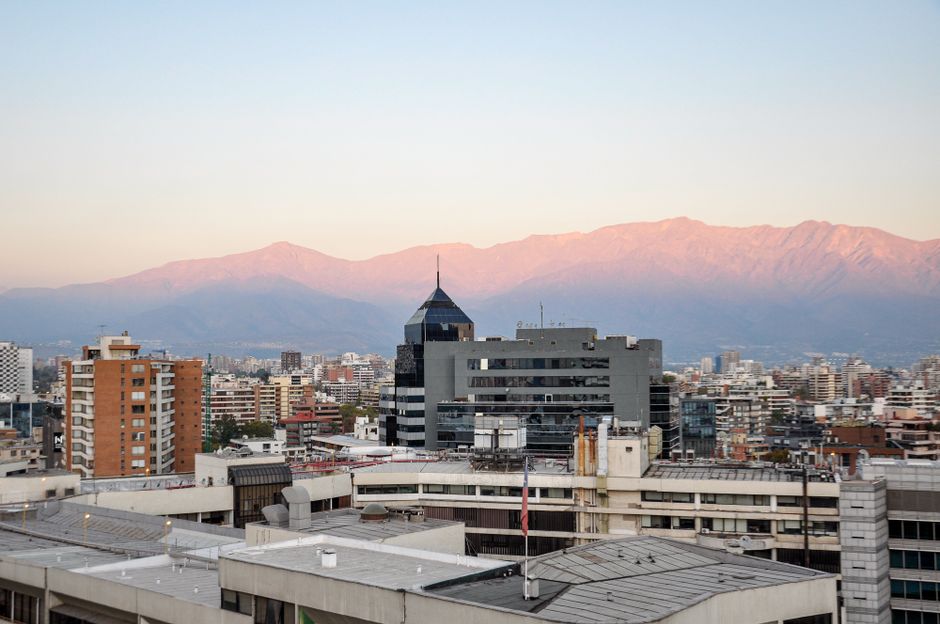
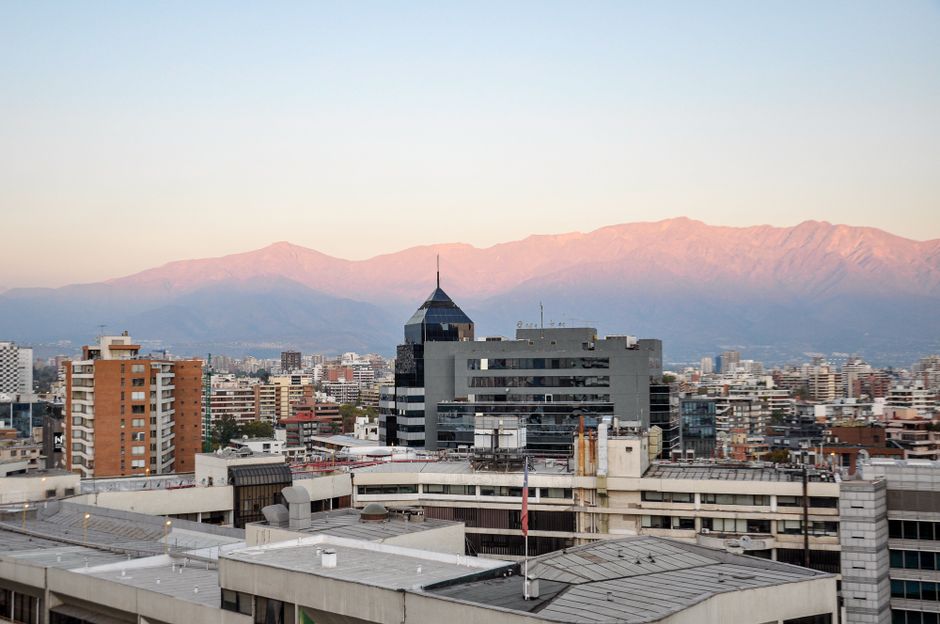
Three years ago, trail running in Santiago was a niche pursuit for hardcore enthusiasts. Today, it's become the city's fastest-growing fitness trend, drawing everyone from office workers in Las Condes to university students in Ñuñoa onto dirt paths and mountain slopes across the metropolitan area.
The shift is visible everywhere. Cerro San Cristóbal, once dominated by casual hikers, now hosts dozens of runners on weekday mornings and hundreds on weekends. The park's network of trails—spanning over 70 kilometers of varying difficulty—has become ground zero for Santiago's running renaissance. Similarly, Parque Forestal's tree-lined pathways, which snake through the city center near the Museo de Bellas Artes, have seen a measurable uptick in organized group runs over the past 18 months.
What's driving this trend? Local running clubs report membership surges of up to 40 percent annually. Organizations like Santiago Trail Runners and smaller neighborhood collectives have grown from exclusive groups into community-oriented movements that welcome beginners. Many attribute the surge to a combination of factors: the city's exceptional geography, which offers accessible elevation training unlike flatter capitals; a strong cycling culture that naturally extends to running; and growing awareness that outdoor exercise provides wellness benefits beyond traditional gym routines.
"The psychological impact of moving through nature, even within city limits, resonates differently," says the wellness research conducted by Universidad de Chile's Sports Medicine department, which noted increased participation in outdoor fitness activities among metropolitan residents.
Practical infrastructure has evolved to support this growth. Running specialty stores along Avenida Providencia now stock trail-specific gear year-round. Local gyms have begun offering trail-running coaching as a premium service. Cerro San Cristóbal's visitor center now displays recommended trail maps, and several routes have been improved with better markers and drainage systems to handle winter rains.
The economic footprint matters too. Training for mountain races—increasingly popular in the region—brings spending to local sports shops, cafés near trail heads, and recovery-focused wellness services. A typical trail runner's monthly investment in gear, nutrition, and occasional coaching ranges from 40,000 to 120,000 Chilean pesos.
Yet challenges remain. Trail maintenance funding is inconsistent, and some popular routes suffer from overcrowding during peak hours. Environmental groups have raised concerns about erosion on heavily used paths.
Still, the momentum is undeniable. Santiago's outdoor running culture reflects a broader shift: urban dwellers reclaiming natural spaces not as tourist destinations, but as essential wellness infrastructure. For a city surrounded by mountain beauty, it's taken time—but the connection is finally taking hold.
This article was compiled by AI from the sources linked above and screened before publishing. See our editorial standards.