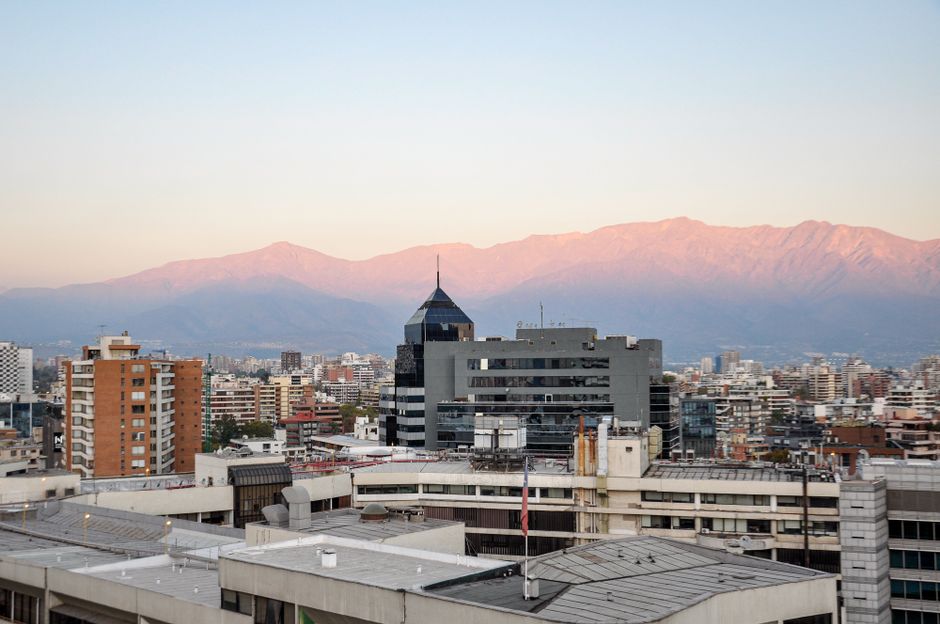
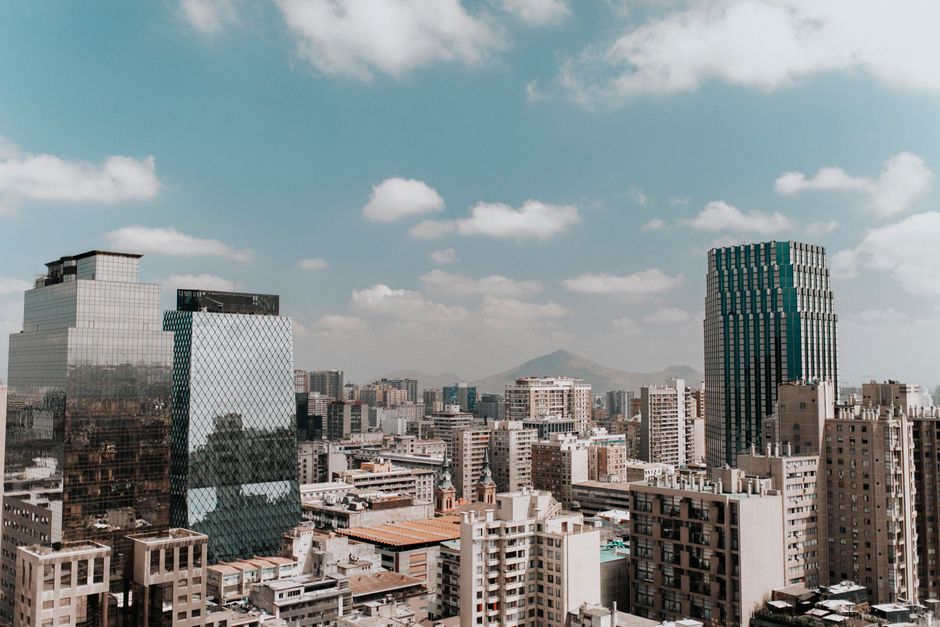
Santiago's running culture thrives on geography—but that geography demands strategy. With the city sitting at 570 metres above sea level and summer temperatures regularly exceeding 30°C, local runners face distinct physiological challenges that generic training advice doesn't address.
Research on altitude adaptation shows that runners moving through Santiago's elevation experience roughly 5-8% reduced oxygen availability compared to sea-level cities. For visitors or newcomers, this means building intensity gradually matters more than speed. Start with routes along the flatter Parque Forestal stretches near Avenida Santa María before tackling Cerro San Cristóbal's famous trails, which climb 300 metres. Local running groups like those organised through community centres in Ñuñoa recommend spacing out hill repeats across the week rather than clustering them—your body needs extra recovery time at this altitude.
Timing is tactical here. Summer mornings before 8 a.m. or evenings after 6 p.m. represent your efficiency window. Data from local air quality monitors shows that Santiago's smog patterns peak between midday and 3 p.m., particularly in winter months. Running during off-peak pollution hours isn't just comfort—studies linking air quality to aerobic performance suggest morning runners complete routes 3-7% faster than those training midday during heavy traffic periods.
Hydration protocols need adjustment too. The city's low humidity (often dropping to 20% in summer) accelerates sweat evaporation, creating a false sense of coolness while dehydration accelerates silently. Exercise scientists recommend increasing fluid intake by roughly 20% compared to coastal running, and Santiago's excellent network of cafés along Parque Forestal—particularly near Avenida José Pedro Alessandri—makes mid-run refuelling accessible.
Footwear selection matters given Santiago's mixed terrain. Parque Forestal's maintained asphalt suits neutral shoes, but Cerro San Cristóbal's rocky switchbacks and uneven paths favour trail-specific models with aggressive grip. Local running retailers in Providencia stock brands suited to these conditions and can assess your gait for altitude-specific needs.
Recovery protocols deserve equal attention. The combination of altitude, heat, and urban air means joint stress increases measurably. Experts recommend incorporating 20-30 minutes of easy cycling or walking on off-days—Santiago's cycling infrastructure, particularly the ciclovías connecting Parque Forestal to Cerro San Cristóbal, provides perfect low-impact alternatives.
Start conservatively, hydrate aggressively, and time strategically. That's what works in Santiago.
This article was compiled by AI from the sources linked above and screened before publishing. See our editorial standards.