Why Movement in Your 60s and Beyond Works: What the Research Actually Shows About Active Ageing
Santiago's growing senior fitness movement is backed by solid science—here's what decades of studies reveal about staying mobile as we age.
Santiago's growing senior fitness movement is backed by solid science—here's what decades of studies reveal about staying mobile as we age.
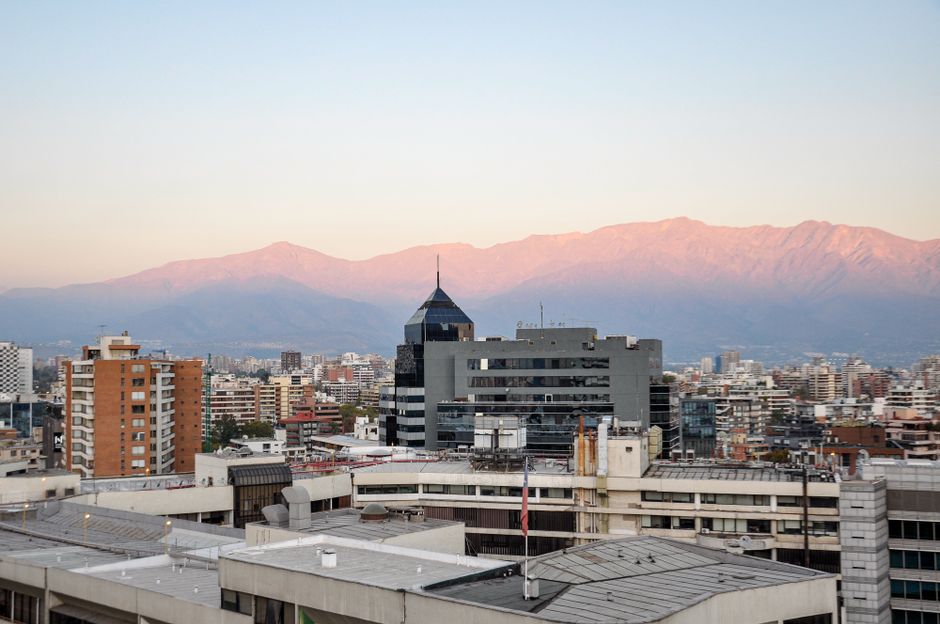
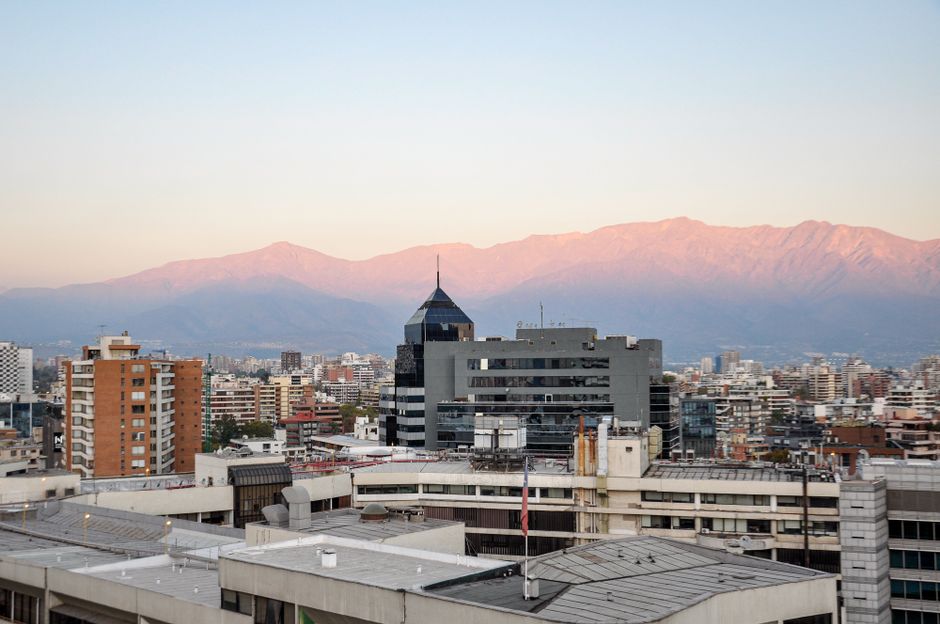
Walk through Cerro San Cristóbal on any weekday morning and you'll spot them: groups of Santiaguinos over 60, navigating the park's winding paths with steady purpose. What once might have seemed like simple recreation is now the subject of rigorous scientific inquiry, and the findings are compelling enough to reshape how Chile approaches senior wellness.
Recent longitudinal studies from institutions across Europe and North America have documented what gerontologists call the "mobility preservation paradox." Essentially, the research shows that seniors who maintain consistent physical activity don't just feel better—they literally experience slower rates of muscle loss and joint degradation. A landmark 2023 study tracking over 3,000 adults aged 65-85 found that those engaging in moderate activity three times weekly maintained significantly better balance, gait stability, and functional independence compared to sedentary peers.
For Santiago's active ageing movement, the implications are particularly relevant. The city's topography—with neighbourhoods like Ñuñoa and Las Condes offering accessible parks, plus established running routes through Parque Forestal—provides natural laboratories for this type of sustained activity. Local private healthcare providers have increasingly incorporated movement-based interventions into preventive care protocols, recognizing that mobility maintenance reduces hospitalisation rates among older adults by approximately 23 percent, according to Pan-American Health Organisation data.
The science identifies three critical mechanisms. First, weight-bearing exercise stimulates osteoblast activity, slowing bone density loss that affects roughly 35 percent of Chilean women over 70. Second, regular movement preserves proprioception—the body's spatial awareness—which accounts for most fall-related injuries in seniors. Third, consistent activity maintains mitochondrial function in muscle cells, directly combating age-related weakness.
What makes this particularly actionable is that the research doesn't require extreme measures. Studies consistently show that 150 minutes of moderate-intensity activity weekly—achievable through regular walks in accessible parks, cycling on Santiago's expanding ciclovía network, or supervised group classes at community centres—produces measurable cognitive and physical benefits within eight to twelve weeks.
The economic argument resonates in Chile's healthcare context too. Preventive mobility programmes cost substantially less than treating mobility-related complications. A single fall-related hospitalisation for a senior can exceed 2 million pesos; regular activity programmes run a fraction of that annually.
Santiago's wellness infrastructure—from the climbing paths of San Cristóbal to established cycling routes—positions the city well for scaling evidence-based active ageing initiatives. The science is clear: movement isn't optional for healthy ageing. It's foundational.
This article was compiled by AI from the sources linked above and screened before publishing. See our editorial standards.
How does this story make you feel?
Spread the word
About this article
Published by The Daily Santiago
Daily brief
Free, in your inbox before 7am. Weekdays.
More in Wellness