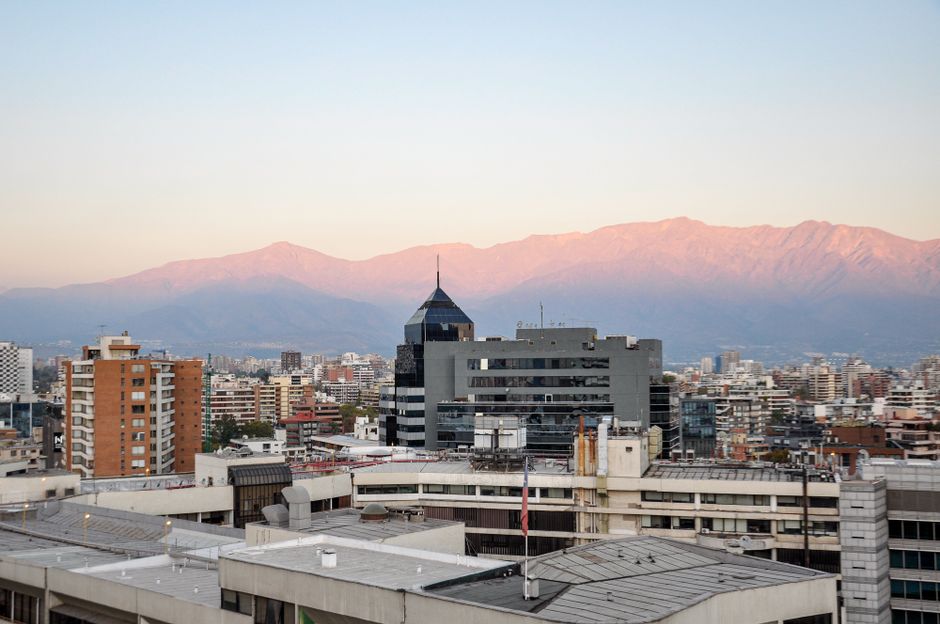
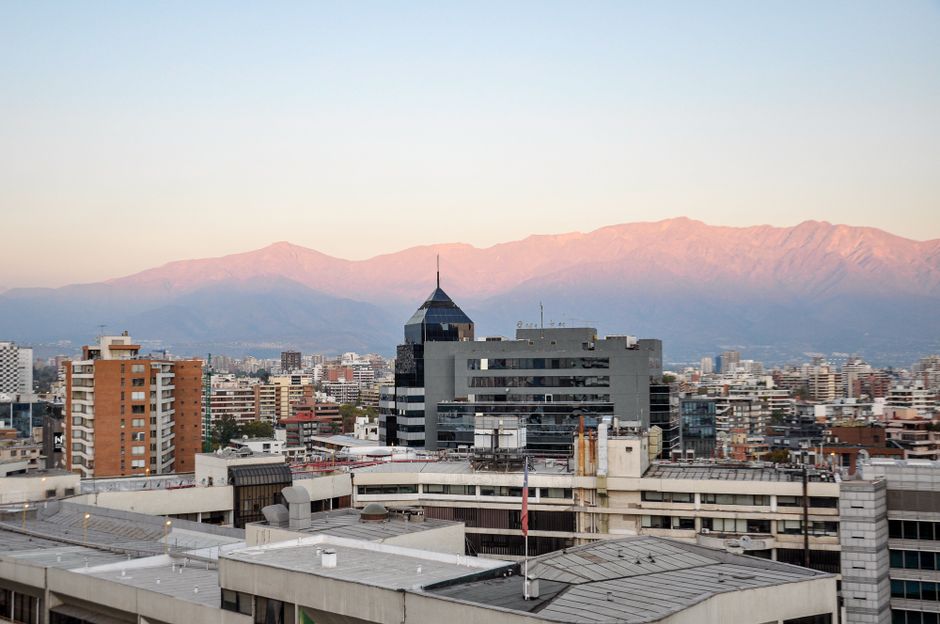
Walk through any morning in Parque Forestal or along the cycling paths near Providencia, and you'll notice Santiago's wellness culture is thriving. But beneath the visible fitness routines lies a quieter health revolution: preventive medicine is gaining scientific credibility, and local healthcare providers are responding.
The evidence is compelling. According to data from Chile's Ministry of Health, preventive screening programs reduce late-stage disease diagnoses by up to 40 percent. For conditions like type 2 diabetes and hypertension—both prevalent in urban Chilean populations—early detection through routine blood work can prevent complications that cost the healthcare system significantly more to treat.
At established clinics throughout Ñuñoa and Las Condes, the preventive screening model has become standard. Annual cardiovascular assessments, cholesterol panels, and metabolic screening now routinely identify risk factors years before symptoms emerge. The science supporting this approach is robust: a landmark study published in the Revista Médica de Chile demonstrated that individuals receiving regular preventive care showed 35 percent fewer emergency hospital visits over a five-year period.
Dr-led wellness centers in Santiago have begun integrating this research into accessible programs. The cost varies—basic annual screenings at private clinics typically range from 150,000 to 300,000 Chilean pesos—but insurers increasingly cover preventive visits, recognizing that early intervention saves money long-term.
What makes prevention scientifically distinct from general wellness is its focus on individual risk factors. Genetic predisposition, family history, lifestyle metrics, and biomarkers create a personalized health profile that's far more specific than generic fitness advice. For Santiago's population, where cardiovascular disease remains a leading cause of death, this targeted approach matters.
Local research institutions like the Universidad de Chile have published studies showing that individuals who undergo systematic screening in their 40s and 50s demonstrate significantly better health outcomes in their 60s and beyond. Prevention isn't simply about feeling better today—it's about measurable, long-term disease prevention.
The framework is straightforward: baseline assessment, regular monitoring, and early intervention when indicators shift. For those navigating Santiago's healthcare system, consulting with a local medical professional about which screenings align with your age, family history, and lifestyle is essential. The science supporting prevention is clear. Whether through Fonasa or private insurance, the question is no longer whether preventive care works—it's how to access it strategically.
This article was compiled by AI from the sources linked above and screened before publishing. See our editorial standards.