Staying Mobile After 60 in Santiago: Evidence-Based Tips That Actually Work Here
Expert strategies tailored to Santiago's unique geography, climate, and healthcare landscape help older adults maintain strength and independence.
Expert strategies tailored to Santiago's unique geography, climate, and healthcare landscape help older adults maintain strength and independence.
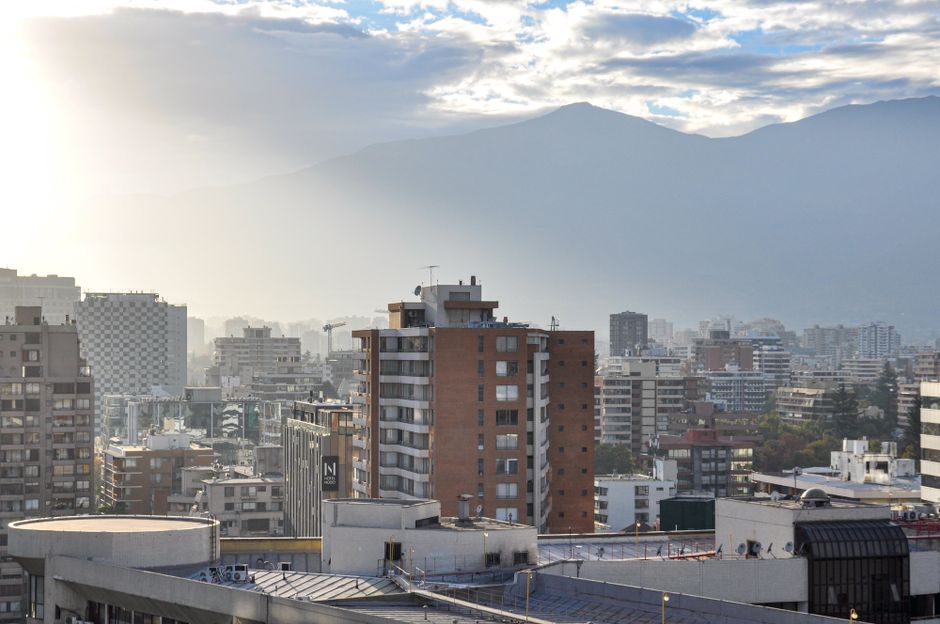
Santiago's steep topography and variable climate present distinct challenges for active ageing—but they also offer unexpected advantages. Recent research on age-related mobility decline suggests that location-specific exercise strategies, combined with local resources, significantly improve outcomes for seniors navigating our city.
The foundation starts with low-impact, consistent movement. Parque Forestal's flat pathways and tree-lined routes make it ideal for daily 20-30 minute walks, the minimum recommended by gerontologists for preserving lower-body strength. For those tackling hillier terrain, Cerro San Cristóbal park offers graduated inclines that naturally build calf and quadriceps endurance—crucial for stair navigation and fall prevention. The key: starting on gentler sections near the base before progressing upward.
Santiago's cycling culture deserves attention here. Studies confirm that cycling maintains joint mobility while building leg strength without impact stress. The expanding ciclovía network along Avenida Providencia and through Ñuñoa offers safer routes for older riders using electric bicycles—increasingly available through local shops—which reduce strain while maintaining engagement.
Climate adaptation matters more than many realise. Santiago's dry season (November-March) suits outdoor activity, but winter's smog necessitates indoor alternatives. Community centres in Lastarria and along Avenida Vicuña Mackenna offer affordable aquatic therapy and tai chi classes specifically designed for seniors—water-based exercise reduces joint stress by 90 percent while building stability.
Nutrition compounds movement benefits. Local ferias in La Vega and Mapocho offer seasonal vegetables rich in antioxidants crucial for muscle recovery—at half supermarket prices. Research shows seniors combining regular walking with high-protein, vegetable-forward diets experience 40 percent fewer mobility declines over five years.
Strength training deserves emphasis. Two sessions weekly targeting core and hip stabilisers (even bodyweight exercises at home) cuts fall risk by 25-30 percent. Santiago's excellent private healthcare system—FONASA and ISAPRE clinics across Providencia and Las Condes—offers subsidised physiotherapy consultations (typically 15,000-25,000 CLP) that provide personalised programmes.
Finally, consistency trumps intensity. A 45-minute walk three times weekly outperforms sporadic gym visits. Building habit into daily routine—whether walking to Lastarria cafés or cycling to the market—creates sustainable patterns that compound over months.
Santiago's geography isn't a barrier; it's a resource. The combination of varied terrain, accessible parks, strong healthcare infrastructure, and fresh produce makes our city genuinely conducive to active ageing—if approached strategically.
This article was compiled by AI from the sources linked above and screened before publishing. See our editorial standards.
How does this story make you feel?
Spread the word
About this article
Published by The Daily Santiago
Daily brief
Free, in your inbox before 7am. Weekdays.
More in Wellness