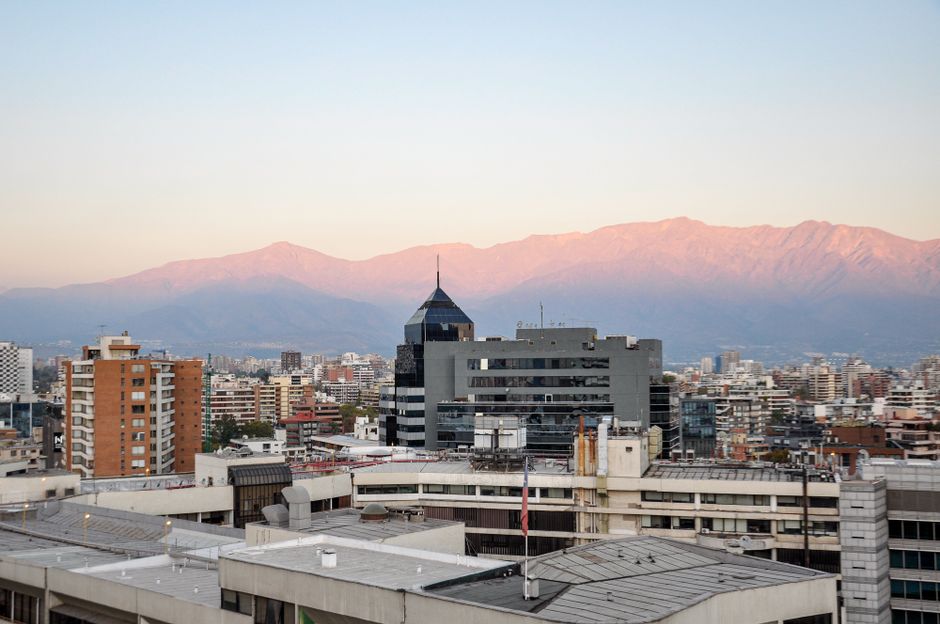
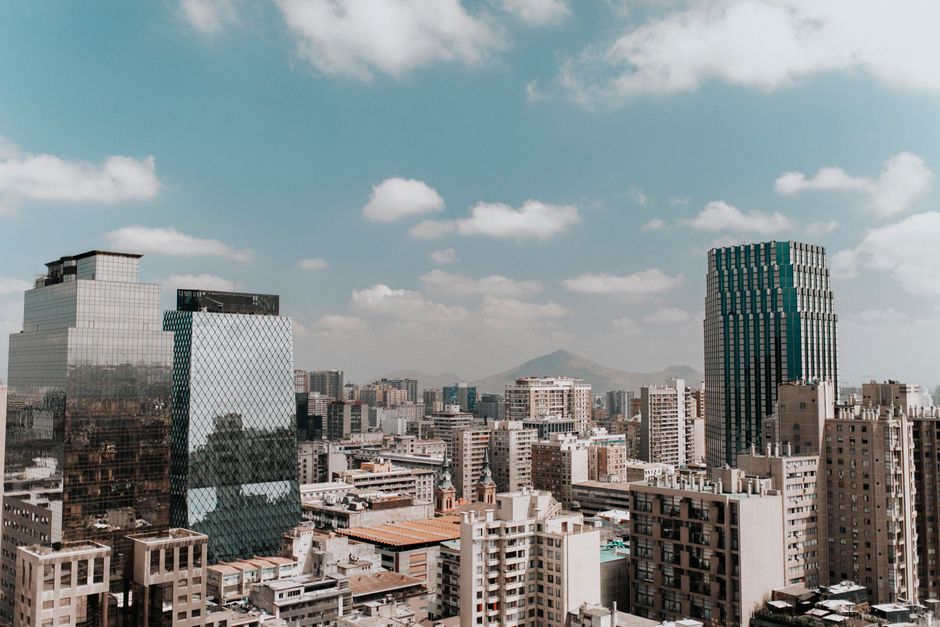
Walk through Parque Forestal on a Saturday morning and you'll spot them: yoga mats unfurled on grass, practitioners moving through sun salutations as the city wakes. Yet Santiago's relationship with yoga and meditation differs markedly from the Instagram-driven wellness trends dominating North America and Europe. Here, the practice remains refreshingly understated—less about optimization culture, more about genuine balance.
Globally, the yoga industry reached $88 billion in 2023, with meditation apps like Calm and Headspace becoming household names. In Santiago, uptake has been steadier but more measured. Studios cluster in affluent neighbourhoods—Providencia, Las Condes, Ñuñoa—where monthly memberships typically range from 60,000 to 120,000 CLP. The city's cycling and running culture, anchored by Cerro San Cristobal park trails and Parque Forestal routes, has historically dominated the local fitness conversation. Yoga here competes differently than abroad: it's positioned not as a standalone wellness solution, but as complement to existing active lifestyles.
What distinguishes Santiago's approach is pragmatism. Rather than treating meditation as biohacking optimization, local practitioners tend toward traditional understanding—stress relief, mental clarity, integration with daily life. The philosophy aligns with Chile's strong healthcare infrastructure; residents consult local medical professionals about wellness integration rather than relying exclusively on trend-driven apps. Private healthcare providers increasingly offer yoga therapy as complementary treatment, legitimizing the practice through clinical channels rather than celebrity endorsement.
The local fresh produce markets—La Vega, Tirso de Molina—have become unlikely wellness hubs. Instructors and practitioners shop seasonally, applying yogic principles of alignment with natural cycles. This grounds Santiago's wellness culture in tangible, local reality rather than abstract global trends.
Class offerings reflect this distinction. While global studios emphasize specialized formats—goat yoga, sound baths, fusion styles—Santiago favours classical Hatha and Vinyasa, taught by instructors trained in established lineages. Pricing and accessibility matter more than novelty.
The rise hasn't gone unnoticed. Municipal parks now host free community classes, and neighbourhood-based studios in Barrio Brasil and Estación Central have brought practice beyond wealthy enclaves. Yet growth remains organic rather than explosive.
This measured expansion suggests Santiago is developing its own wellness identity—one that borrows from global best practice but refuses to abandon local values: community connection, medical collaboration, and integration with existing cultural patterns. As global wellness trends chase novelty, Santiago's yoga renaissance proves that sometimes the most sustainable health movements are those rooted firmly in place.
This article was compiled by AI from the sources linked above and screened before publishing. See our editorial standards.