Walk through the tree-lined paths of Parque Forestal on any Saturday morning, and you'll notice clusters of people seated cross-legged on mats, eyes closed, moving through deliberate breath work. Five years ago, this scene would have been unusual in Santiago. Today, it reflects a quiet revolution in how the capital's residents approach wellness—one that extends far beyond the city's celebrated cycling infrastructure and well-equipped private gyms.
The shift is measurable. Yoga studios have proliferated across central neighbourhoods, with particularly dense clusters in Ñuñoa, Providencia, and Lastarria. A recent survey by the Chilean Wellness Association found that 28 percent of santiaguinos aged 25-45 now practice yoga or meditation regularly, nearly double the figure from 2022. Monthly classes in dedicated studios range from 45,000 to 120,000 pesos, with many offering introductory packages around 35,000 pesos—pricing that reflects the city's professional demographic and private healthcare culture.
What distinguishes Santiago's embrace of these practices isn't simply Instagram aesthetics. Local practitioners and instructors point to something deeper: a response to the particular pressures of metropolitan life. The city's notorious traffic, combined with demanding work cultures and economic uncertainty, has created appetite for evidence-based stress management. Meditation apps marketed specifically to Spanish-speaking professionals have seen 40 percent year-on-year growth in Chile.
The integration with local geography matters too. Cerro San Cristóbal's elevated terrain has become a natural meditation hub, with several instructors offering sunrise sessions that combine the spiritual practice with the park's built-in natural setting. Similarly, Parque Forestal's accessible pathways make it ideal for walking meditation—a practice gaining traction among older adults in the Providencia neighbourhood.
This isn't replacing Santiago's existing wellness infrastructure. Rather, it's complementing it. The city's strong cycling culture and reputation for healthcare excellence have created a population already invested in preventive wellness. Yoga and meditation are being positioned as essential counterbalances to more dynamic exercise—aligning with what experts increasingly recommend about joint protection and sustainable fitness.
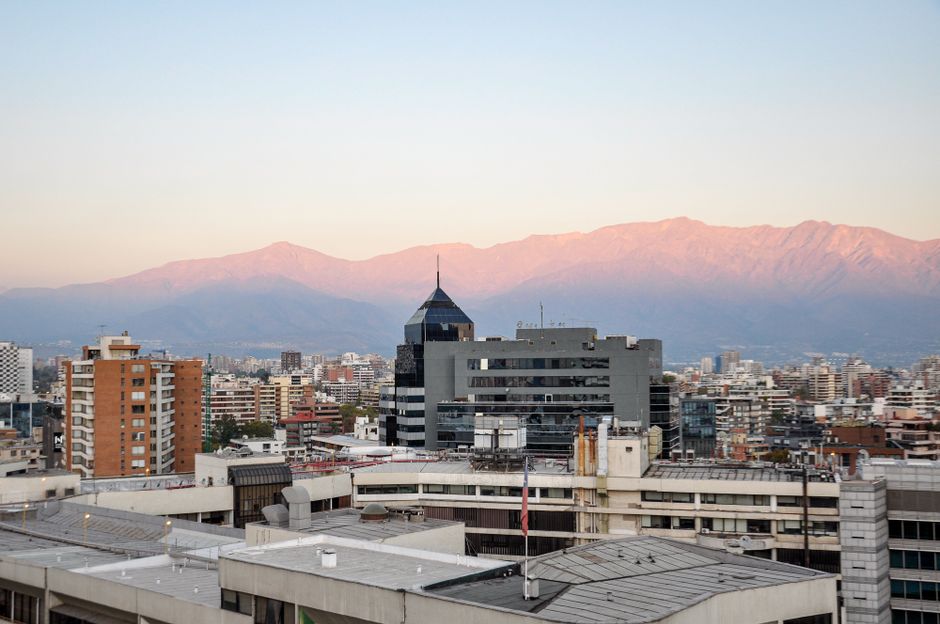
What remains to be seen is whether this trend will broaden beyond professional sectors. Community centres in less central neighbourhoods are beginning to offer subsidised sessions, suggesting yoga and meditation may become more democratised. For now, though, Santiago's rooftops and parks tell the story of a capital learning to pause—even as it never fully stops moving.
This article was compiled by AI from the sources linked above and screened before publishing. See our editorial standards.