What neuroscience reveals about mindfulness: why Santiago's wellness community is backing the research
Brain imaging studies and clinical trials show measurable changes in stress response—here's what the science actually says.
Brain imaging studies and clinical trials show measurable changes in stress response—here's what the science actually says.
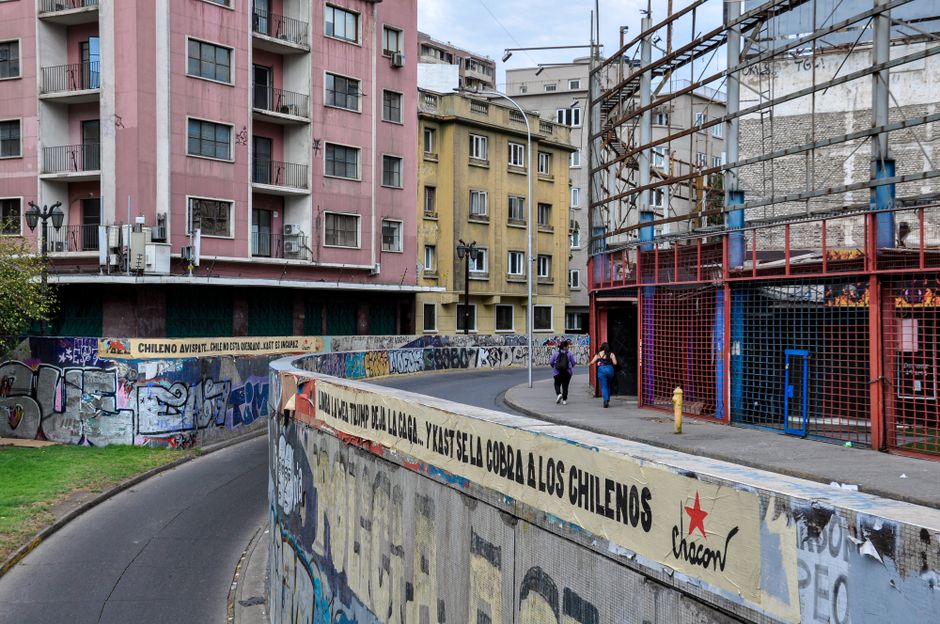
Walk through Parque Forestal on any given morning and you'll spot clusters of people sitting cross-legged on the grass, eyes closed, seemingly unplugged from Santiago's relentless pace. What was once dismissed as spiritual navel-gazing has undergone a quiet transformation: mindfulness has become a subject of rigorous neuroscientific inquiry, with findings that explain why these practices are gaining traction among health-conscious Santiaguinos.
Over the past two decades, functional MRI studies have documented measurable changes in brain structure and activity among regular meditators. Research from institutions like MIT and Stanford shows that consistent mindfulness practice reduces activity in the amygdala—the brain region responsible for processing fear and stress—while simultaneously strengthening the prefrontal cortex, which governs emotional regulation and decision-making. For those managing the pressures of metropolitan life in Las Condes or Ñuñoa, these neurological shifts translate to tangible stress relief.
A landmark 2022 meta-analysis published in JAMA Psychiatry examined 218 randomized controlled trials and found that mindfulness-based interventions produce anxiety and depression reductions comparable to standard pharmaceutical treatments for mild to moderate cases. Neither approach emerges as universally superior, but the implications matter: meditation offers a non-pharmacological option with minimal side effects, making it particularly valuable for people seeking complementary strategies.
The research also points to physiological markers. Studies measuring cortisol—the primary stress hormone—show that regular practitioners exhibit lower baseline levels and more stable daily cortisol curves. Blood pressure improvements and reduced inflammation markers have been documented in numerous trials, suggesting mindfulness affects not just mental states but systemic health outcomes.
Santiago's growing mindfulness infrastructure reflects this scientific legitimacy. Wellness centres across the city now offer evidence-based programs, while organizations like the Pontifical Catholic University's psychology department conduct local research validating these approaches. A 20-minute guided session at a studio in Lastarria costs roughly 15,000 pesos—far less than repeated therapy appointments, though clinical-grade mindfulness programs typically span 8 weeks at 80,000-150,000 pesos depending on the provider.
The research consensus carries an important caveat: mindfulness is not a panacea. It works best as part of a comprehensive wellness approach incorporating sleep, movement, and social connection. For serious mental health conditions, professional clinical care remains essential.
What the neuroscience confirms is simple but powerful: taking time to sit quietly with attention focused on breath and bodily sensation isn't merely relaxing—it actively rewires how your brain processes stress. In a city where pace rarely slows, that's increasingly backed by evidence.
This article was compiled by AI from the sources linked above and screened before publishing. See our editorial standards.
How does this story make you feel?
Spread the word
About this article
Published by The Daily Santiago
Daily brief
Free, in your inbox before 7am. Weekdays.
More in Wellness