Running Free in Santiago: Your Guide to Zero-Cost and Budget-Friendly Outdoor Fitness
From Cerro San Cristóbal to Parque Forestal, discover where Santiago runners access world-class trails without breaking the bank.
From Cerro San Cristóbal to Parque Forestal, discover where Santiago runners access world-class trails without breaking the bank.
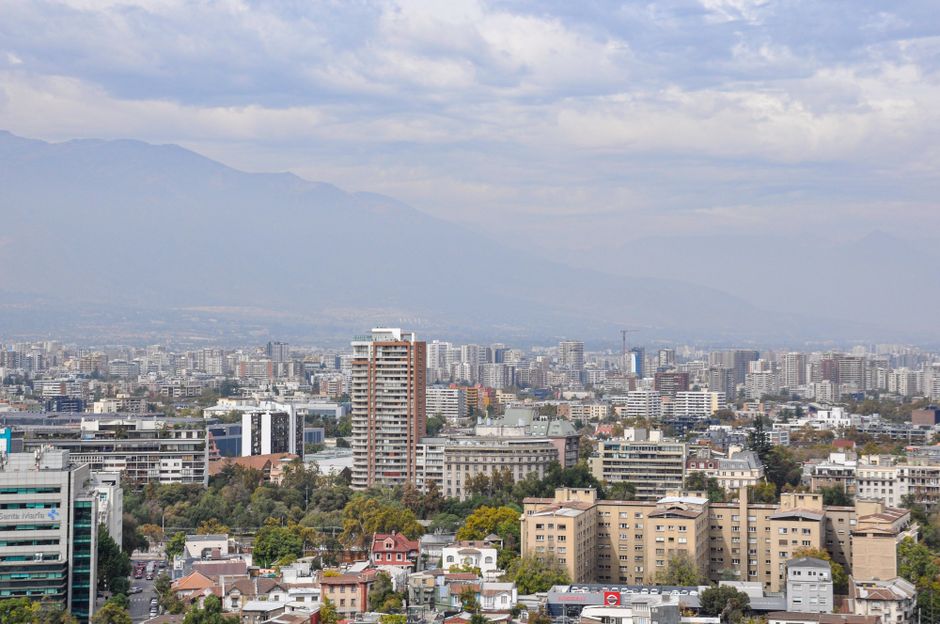
Santiago's running culture thrives on accessibility. While gym memberships can exceed 80,000 pesos monthly, the city's public parks and neighbourhood circuits offer equally rewarding fitness without the price tag—you just need to know where to look.
Cerro San Cristóbal remains the cornerstone of free outdoor fitness. The 722-hectare park welcomes runners daily at no charge via multiple entry points: Pío Nono in Barrio Bellavista offers the most popular access, while the Ñuñoa entrance near Camino El Albanal provides a quieter alternative. The main loop spans roughly 4.5 kilometres with elevation gain that builds serious leg strength. Many runners tackle the steep ascent early morning (before 7 a.m.) to avoid midday heat—a smart strategy during Santiago's summer months.
Parque Forestal, stretching along the Río Mapocho from Plaza Italia eastward, delivers 2.8 kilometres of shaded, flat terrain ideal for tempo work or easy recovery runs. The tree-lined paths stay relatively cool even in summer, and the park's proximity to central neighbourhoods like Ñuñoa and Providencia makes it accessible by metro (Line 1 stops at Plaza Italia).
For those seeking technical terrain, the cycling culture that defines Santiago's identity extends to trail runners. The routes around Cajón del Maipo—roughly 40 kilometres south—offer free access to mountain trails, though transport costs apply. Many runners carpool to split fuel expenses, a common practice in local running groups.
Santiago's municipal government operates free fitness programmes worth investigating. The Municipalidad de Santiago sponsors outdoor exercise classes in various parks, though schedules vary seasonally. Check your neighbourhood's specific municipality website for current offerings.
Running clubs provide community without cost. Groups like Runpacífico and numerous neighbourhood-based collectives organize weekly meetups in parks and along major circuits. Joining costs nothing; most groups use WhatsApp for coordination. These connections often lead to shared knowledge about emerging trails, hydration stations, and safety tips specific to each zone.
The fresh produce markets—particularly those in Central Station and Barrio Brasil—offer affordable pre- and post-run nutrition, making fueling sustainable for budget-conscious athletes. A kilogram of seasonal fruit typically costs 3,000–5,000 pesos.
Summer months (December–March) bring peak conditions but also peak crowds. Early morning departures between 6–7 a.m. offer solitude and cooler temperatures. Always carry water, check weather forecasts, and inform someone of your route.
Santiago rewards runners willing to explore beyond commercial gyms. The city's elevation, climate, and public spaces create a naturally rich fitness environment. Start free, stay consistent, and let the capital's trails do the heavy lifting.
This article was compiled by AI from the sources linked above and screened before publishing. See our editorial standards.
How does this story make you feel?
Spread the word
About this article
Published by The Daily Santiago
Daily brief
Free, in your inbox before 7am. Weekdays.
More in Wellness