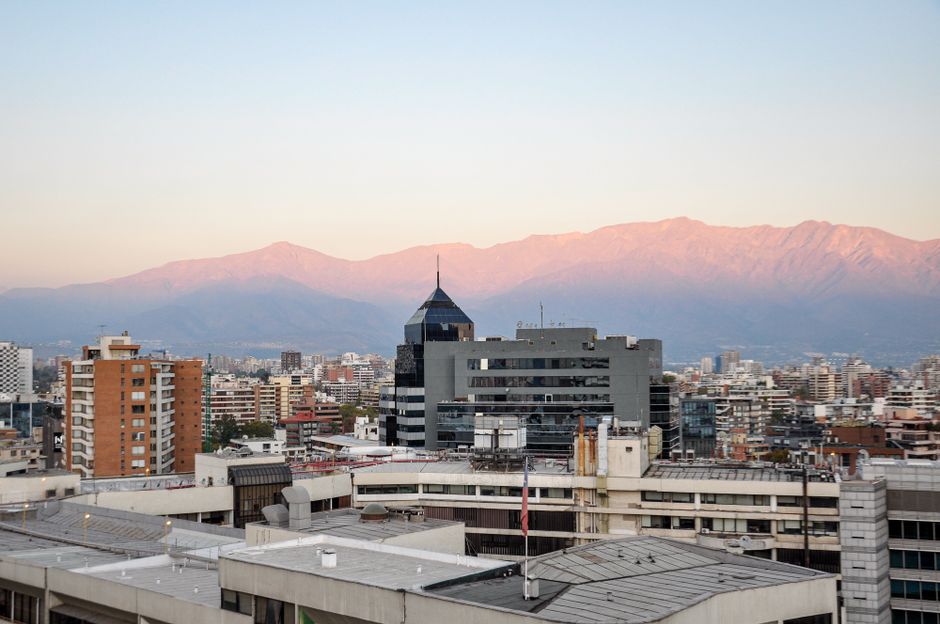
Santiago's Climate Demands Specific Nutrition: Science-Based Eating Tips That Work
Forget generic diet advice—here's what the science says about fuelling your body through Santiago's seasons, altitude, and food culture.
Forget generic diet advice—here's what the science says about fuelling your body through Santiago's seasons, altitude, and food culture.
Listen to this article · 3:45
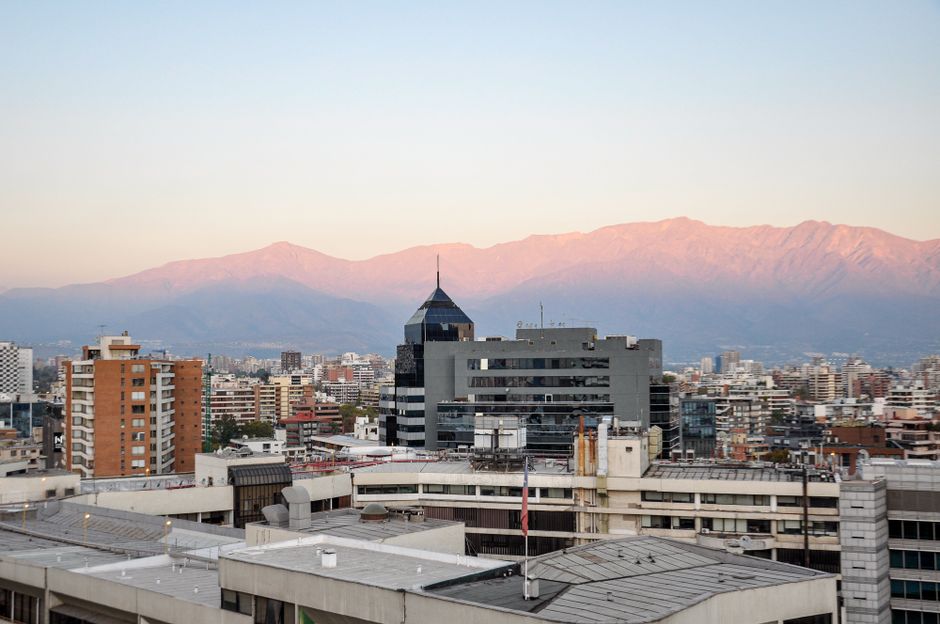
Santiago sits 570 metres above sea level, experiences intense summer heat and autumn dryness, and boasts one of South America's most reliable fresh produce supplies. Yet most nutrition guidance ignores these realities. Here's what actually works for those of us living here.
Hydration matters more than you think. The city's altitude and low humidity—especially from December through March—increase insensible water loss by up to 20 per cent compared to sea-level residents. The evidence is clear: most santiaguinos under-drink. Aim for 3–3.5 litres daily during summer months, not the standard 2 litres. This becomes critical if you're cycling in Parque Forestal or running the Costanera Norte loop during peak heat.
Leverage the markets, not the supermarkets. Central markets like the one near Estación Central and neighbourhood ferias in Ñuñoa and Providencia offer seasonal produce at 30–50 per cent lower prices than supermarket chains. Buy what's in season: stone fruits and berries December–February, apples and pears March–June, stone fruits again in summer. Seasonal eating aligns with both your budget and your body's actual nutritional needs—produce tastes better and retains more micronutrients when harvested at peak ripeness.
Copper and iron intake deserves attention. Chilean soil contains naturally high copper levels, meaning local greens and grains provide excellent bioavailable sources. Women and endurance athletes (particularly those training at altitude for Cerro San Cristóbal) should prioritise iron-rich foods: lentils, quinoa, red meat. Pair these with vitamin C sources—local tomatoes, citrus, or peppers—to enhance absorption.
Wine and health aren't mutually exclusive. Research supports moderate red wine consumption (one glass daily for women, up to two for men) with meals, particularly with dinner. Local Chilean reds contain high polyphenol levels. This isn't permission to overindulge, but rather recognition that Santiago's food and wine culture can support health when approached mindfully.
Plan for the transitions. March through May bring cooler temperatures and increasing dryness. Immunity-supporting foods become relevant: garlic, onions, and citrus. Winter (June–August) sees reduced produce variety; this is when frozen berries, dried legumes, and root vegetables become nutritionally essential, not just convenient.
The most evidence-based nutrition strategy isn't fancy supplements or restrictive protocols. It's eating seasonally from local markets, staying aggressively hydrated during summer, and timing your produce purchases with Santiago's agricultural calendar. Your wallet and your body will thank you.
This article was compiled by AI and screened before publishing. See our editorial standards.
How does this story make you feel?
Spread the word
About this article
Published by The Daily Santiago
Daily brief
Free, in your inbox before 7am. Weekdays.
More in Wellness