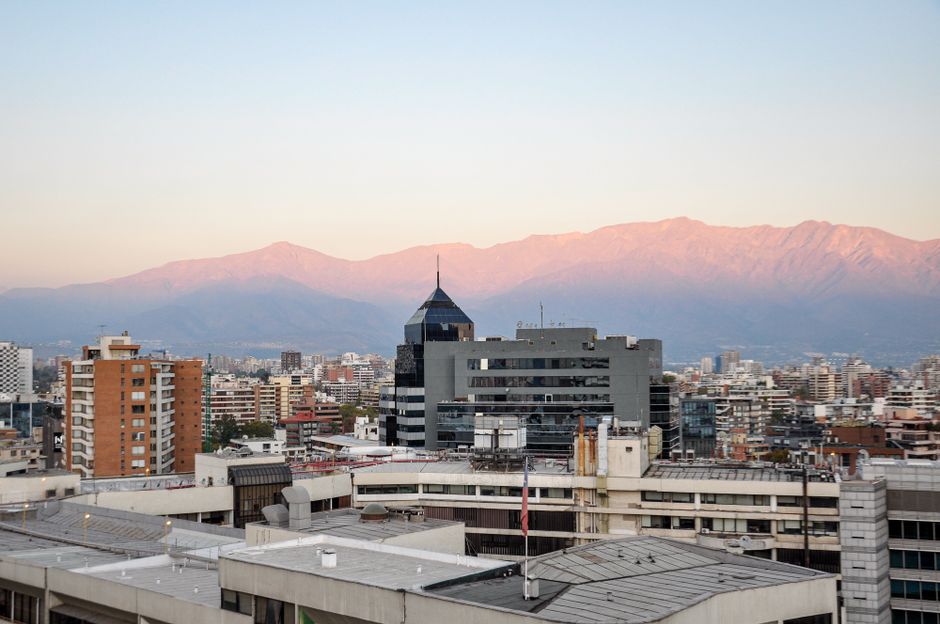
Santiago's Active Seniors Over 65 Transform City Health and Mobility Standards
Discover how Santiago's older adults are staying fit through group running, hiking Cerro San Cristóbal, and community wellness programs transforming aging.
Discover how Santiago's older adults are staying fit through group running, hiking Cerro San Cristóbal, and community wellness programs transforming aging.
Listen to this article · 4:07
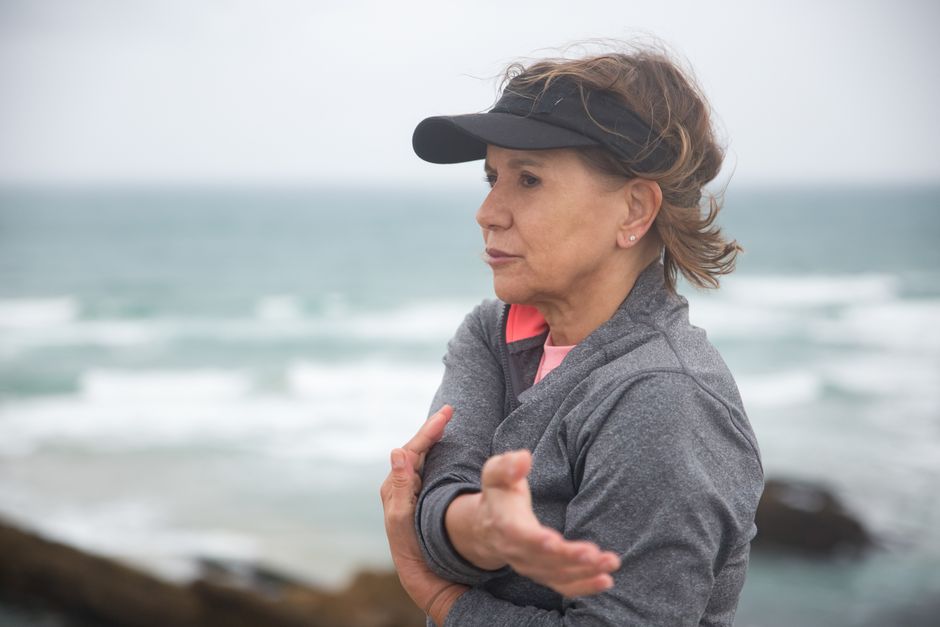
Walk through Parque Forestal on any morning and you'll notice something striking: the growing number of grey-haired runners, walkers and cyclists threading through the tree-lined paths. This shift isn't accidental. Across Santiago's neighbourhoods—from Ñuñoa to Providencia—a quiet revolution in active ageing is taking place, one community at a time.
The statistics tell part of the story. Chile's population is ageing rapidly, with those over 60 now representing roughly 18% of the country. Yet many Santiaguinos in this demographic are rejecting the notion of inevitable decline. Instead, they're embracing structured movement, accessible infrastructure, and the social fabric that comes with group activity.
Cerro San Cristóbal park has become a hub for this transformation. The restored pathways—improved significantly in recent years—now serve hundreds of older adults weekly. The gentle gradient routes offer accessibility without compromise, while the summit views provide psychological reward that keeps people returning. Local physiotherapists note that consistent walking on varied terrain builds the functional strength essential for maintaining independence: stair-climbing, balance, daily resilience.
The cycling culture that defines Santiago has opened new doors for older adults too. Community cycling groups, particularly in eastern neighbourhoods, now include dedicated slower-pace rides designed for those rebuilding fitness or managing chronic conditions. These aren't token gestures—they're integral to weekly rotations, with participants ranging from age 50 to 80.
What makes these transformations stick isn't willpower alone. It's community. Regular meetups at Parque Forestal's café culture, accountability through group commitments, and the simple dignity of being part of something social. Chile's private healthcare system has also played a role; many clinics now offer physiotherapy consultations (typically 40,000–60,000 pesos) that provide personalized mobility assessments, helping older adults understand their specific needs rather than accepting generic limitations.
Nutrition supports movement too. Santiago's markets—from the Vega Central to neighbourhood ferias—offer year-round access to fresh produce that fuels this active lifestyle. Berries, stone fruits, and greens abundant in Chilean seasons become practical tools for anti-inflammatory eating that supports joint health and recovery.
The message emerging from these communities is consistent: mobility at 65 or 75 isn't predetermined by genetics alone. It's shaped by choice, access, and belonging. For anyone in Santiago considering this path, local running clubs post schedules on social media, parks departments offer free orientation walks, and physiotherapists specializing in older adult mobility are increasingly available across the city.
The future of ageing in Santiago isn't being written in clinics. It's being written on Cerro San Cristóbal's paths, in Parque Forestal's morning gatherings, and wherever older Santiaguinos decide that their best years might still be ahead.
This article was compiled by AI and screened before publishing. See our editorial standards.
How does this story make you feel?
Spread the word
About this article
Published by The Daily Santiago
Daily brief
Free, in your inbox before 7am. Weekdays.
More in Wellness