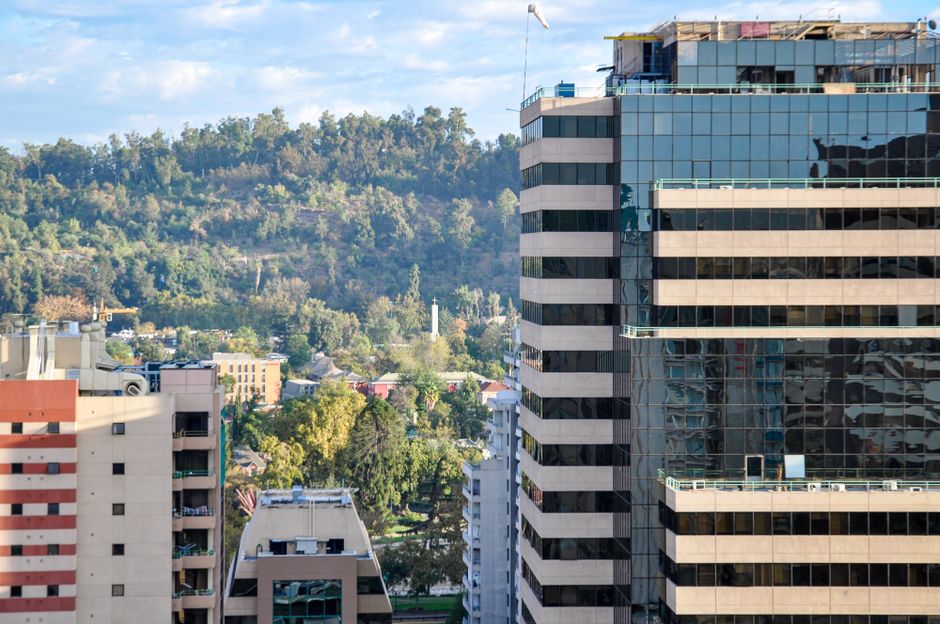
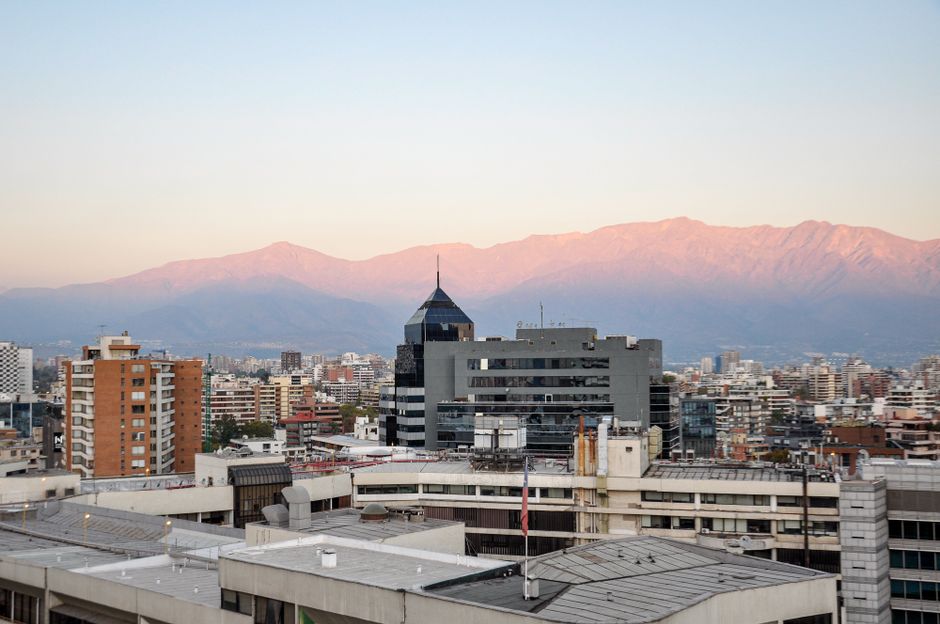
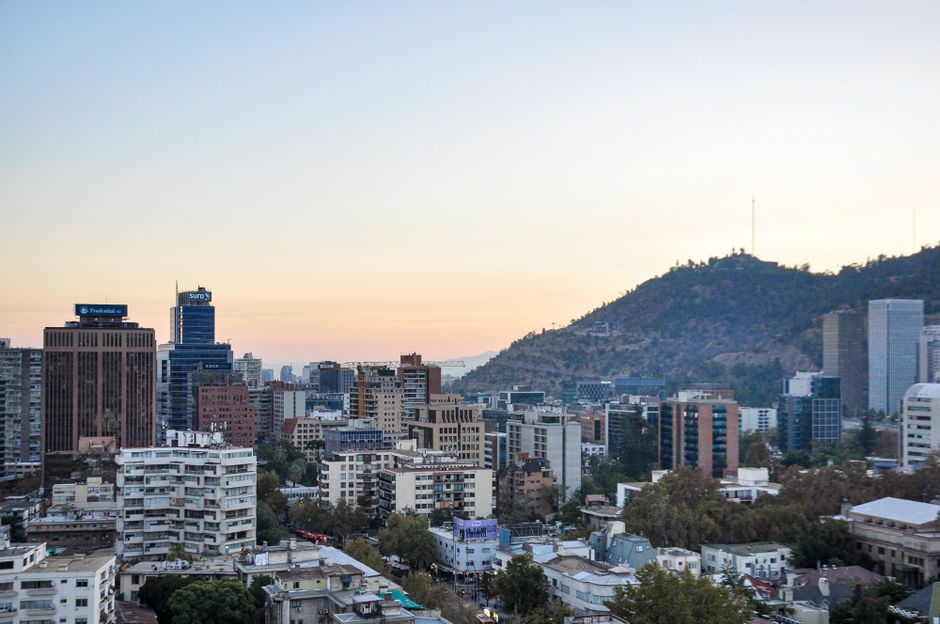
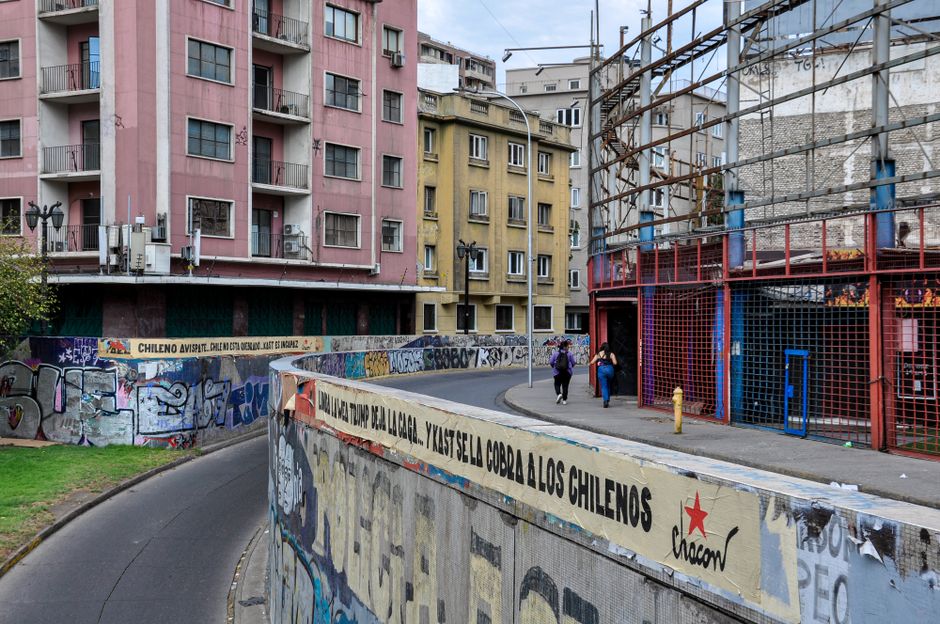
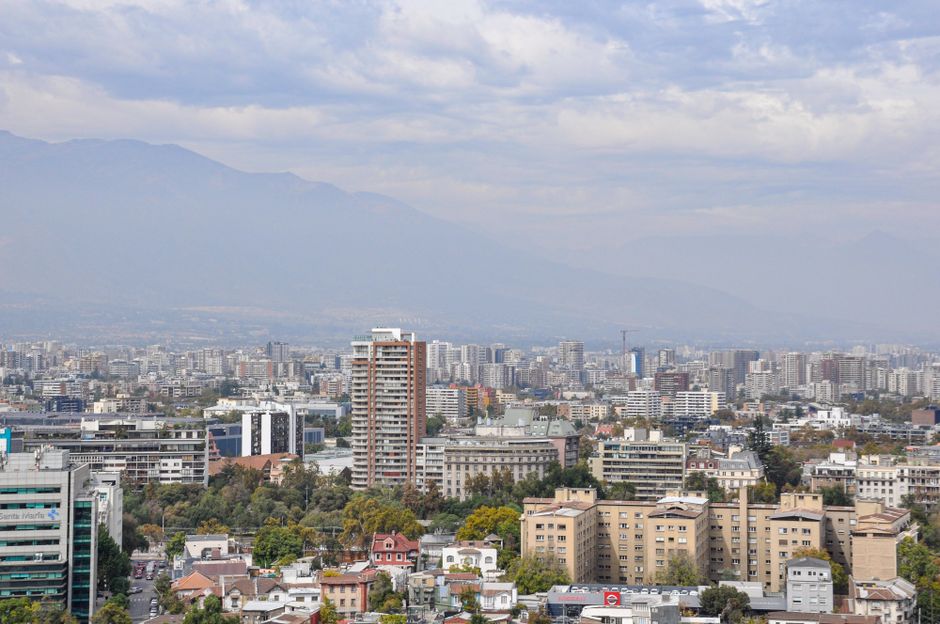
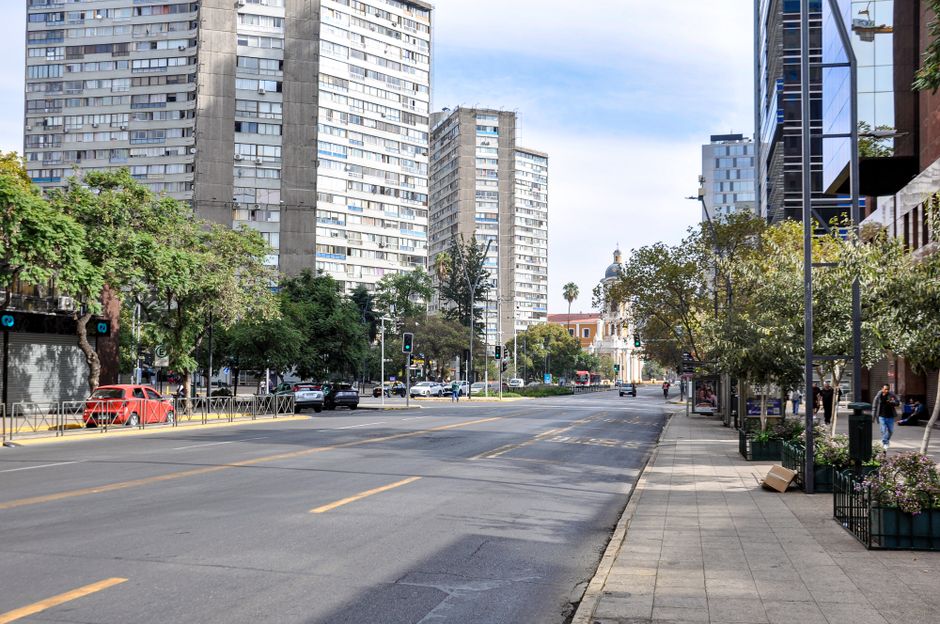
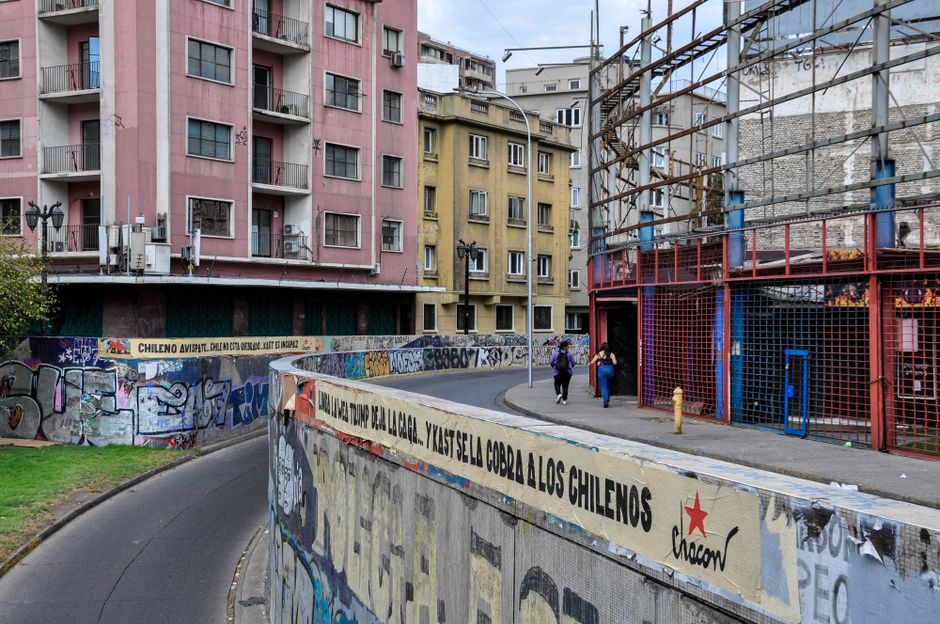
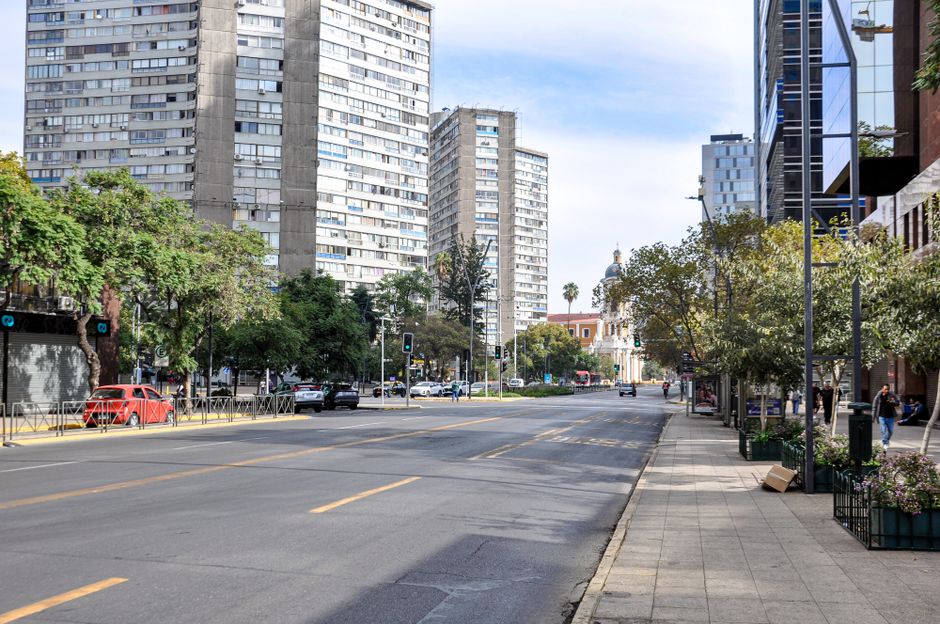
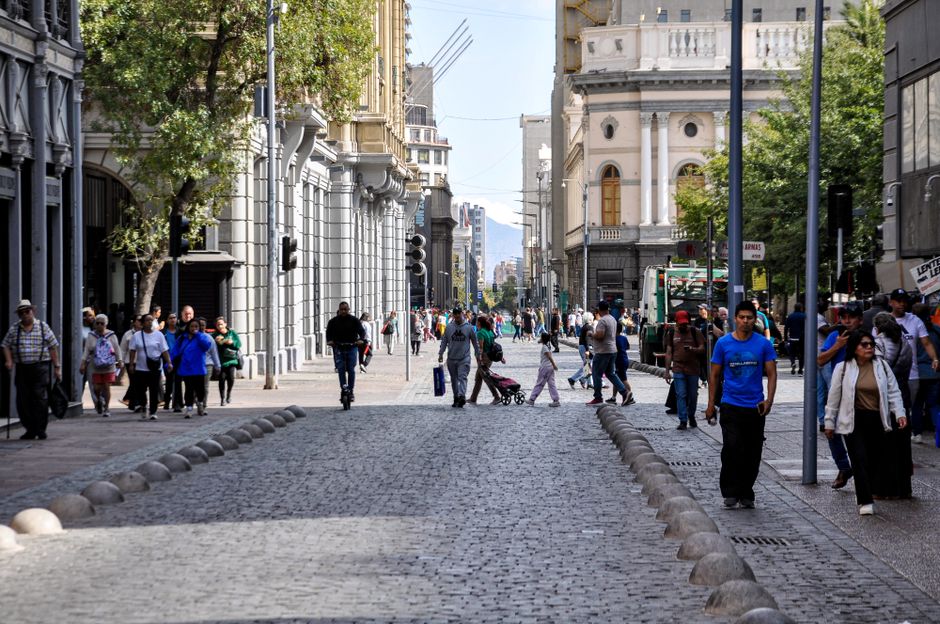
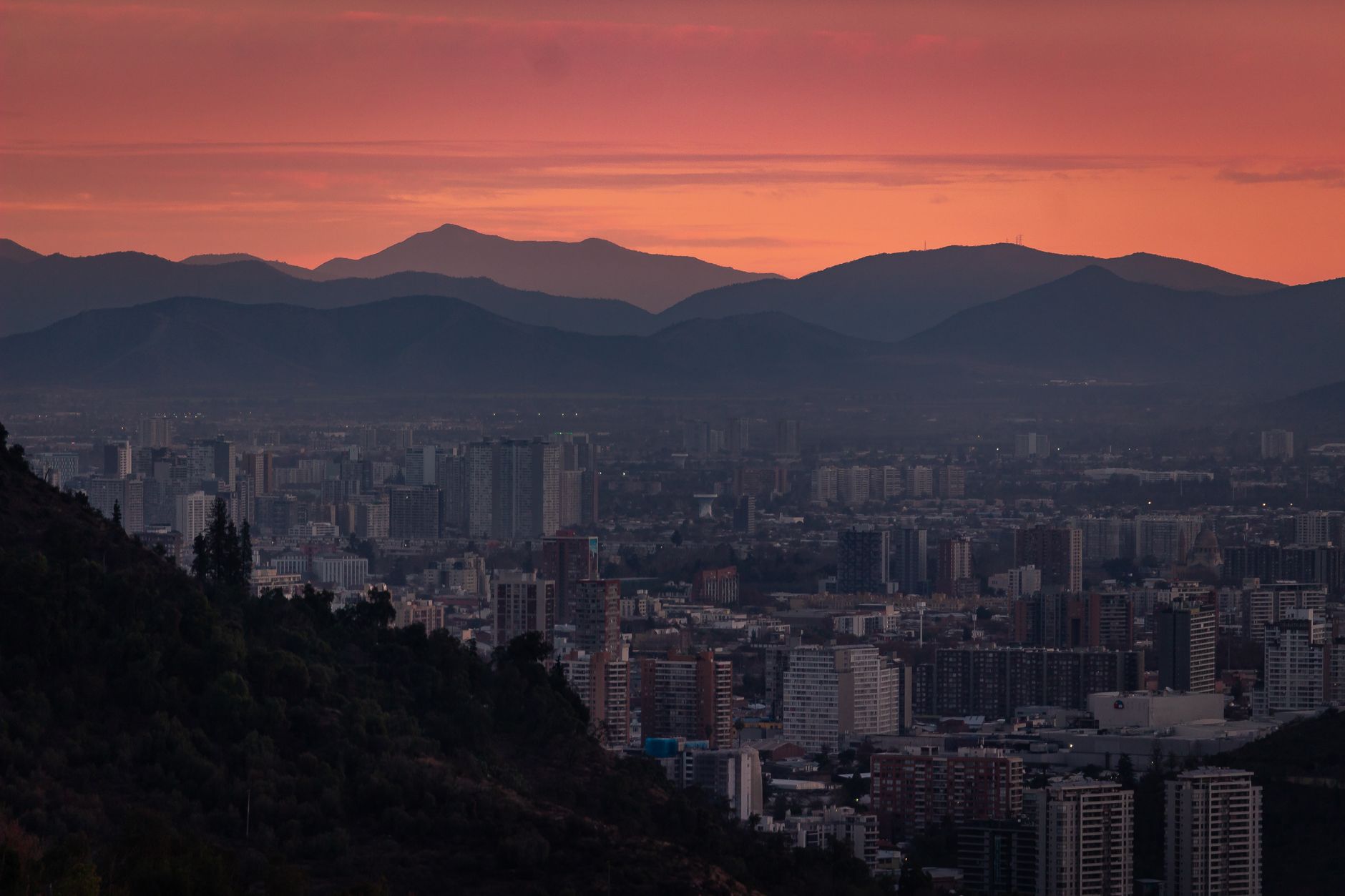
A contentious vote this week signals a dramatic shift in how the capital plans its future, with new zoning rules that could reshape neighbourhoods from Lastarria to Providencia.
As crime incidents surge across the capital, underfunded rescue teams and fragmented coordination are leaving residents vulnerable when seconds count most.
While European and North American cities struggle with housing crises and social tensions, Santiago's dispersed settlement patterns and community-led initiatives offer an alternative blueprint.
Major progress on the capital's most ambitious infrastructure project in a decade promises to reshape commuting across the city's eastern corridor by 2028.
This week's municipal meetings brought significant zoning changes to Lastarria and a contested 12% budget increase that will reshape how the capital moves.
From Lastarria's cultural renaissance to new food safety measures in La Florida, Santiago's diverse districts are shaping the city's future one block at a time.
As local authorities roll out ambitious environmental initiatives, residents in key neighbourhoods stand to see tangible changes—from cleaner air to lower household costs.
As displacement crises accelerate worldwide, neighbourhoods from Providencia to La Florida are grappling with both the challenges and unexpected economic benefits of rapid demographic change.
Community groups across the city are demanding a seat at the table as city planners accelerate urban densification projects that threaten affordable housing stock.
New census data reveals that immigrants now comprise 18.3% of Santiago's population, with Venezuelan and Haitian communities doubling in size over three years.
Education officials and university rectors across the capital are sounding alarm bells over proposed reductions that threaten the quality of higher learning institutions.
As the Metro expansion stalls and bus rapid transit plans languish, city officials face critical choices about funding, routes, and timelines that could either unlock mobility or deepen commuter chaos.
City council's $847 million allocation decision this week will determine whether bus routes expand to underserved areas or concentrate resources in wealthy districts.